TIFF To BMP Converter
Convert your TIFF images to BMP format.
Drag & Drop TIFF files here
or
Import a TIFF image directly from a public URL, Google Drive, or Dropbox.
Max file size: 100MB
ℹ️ BMP files are uncompressed, so output size may be significantly larger.
Your images are processed securely. No files are uploaded or stored on our servers.
Convert TIFF to BMP online to transform professional TIFF (Tagged Image File Format) files into uncompressed BMP bitmap images. BMP stores raw pixel data with little or no compression, preserving exact pixel-level accuracy - ideal for legacy Windows applications, technical pipelines, and system-level use cases where raw access matters more than file size. This free converter does it instantly in your browser, with nothing ever uploaded.
BMP is a simple, lossless raster format native to Windows. Because it is uncompressed, the output files are significantly larger than the original TIFF - this is expected and normal. If you need the reverse direction, use our BMP to TIFF converter. For practical web-friendly output instead, try TIFF to JPG, or shrink files with our TIFF compressor. Simply upload your TIFF, convert it locally, and download the BMP in seconds.
Lightning Fast
Convert images in seconds with our optimized engine that runs entirely in your browser - no uploads, no waiting.
Privacy First
No account needed. No data uploaded to servers. Your files stay on your device, processed locally in your browser.
Batch Processing
Convert multiple TIFF images at once with a single click. Download results individually or as a ZIP archive.
Pro Quality
Professional-grade conversion engine that handles large TIFF files reliably with accurate color and detail.
How It Works
Convert your TIFF images to BMP in 4 simple steps. No sign-up required, no software to install.
Upload Your Images
Click to select or drag and drop your TIFF files. You can also import from URL, Google Drive, or Dropbox.
Choose Settings
Pick BMP as your output format and adjust any available options to match your needs before converting.
Convert Instantly
Processing happens entirely in your browser. No uploads, no server-side processing. 100% local and private.
Download Results
Get your converted BMP files individually or download all at once as a ZIP file. Ready in seconds.
Same Image, Different Format
Our converter preserves your image faithfully. Move your cursor across the image to compare - the visual output stays the same. Only the format changes.
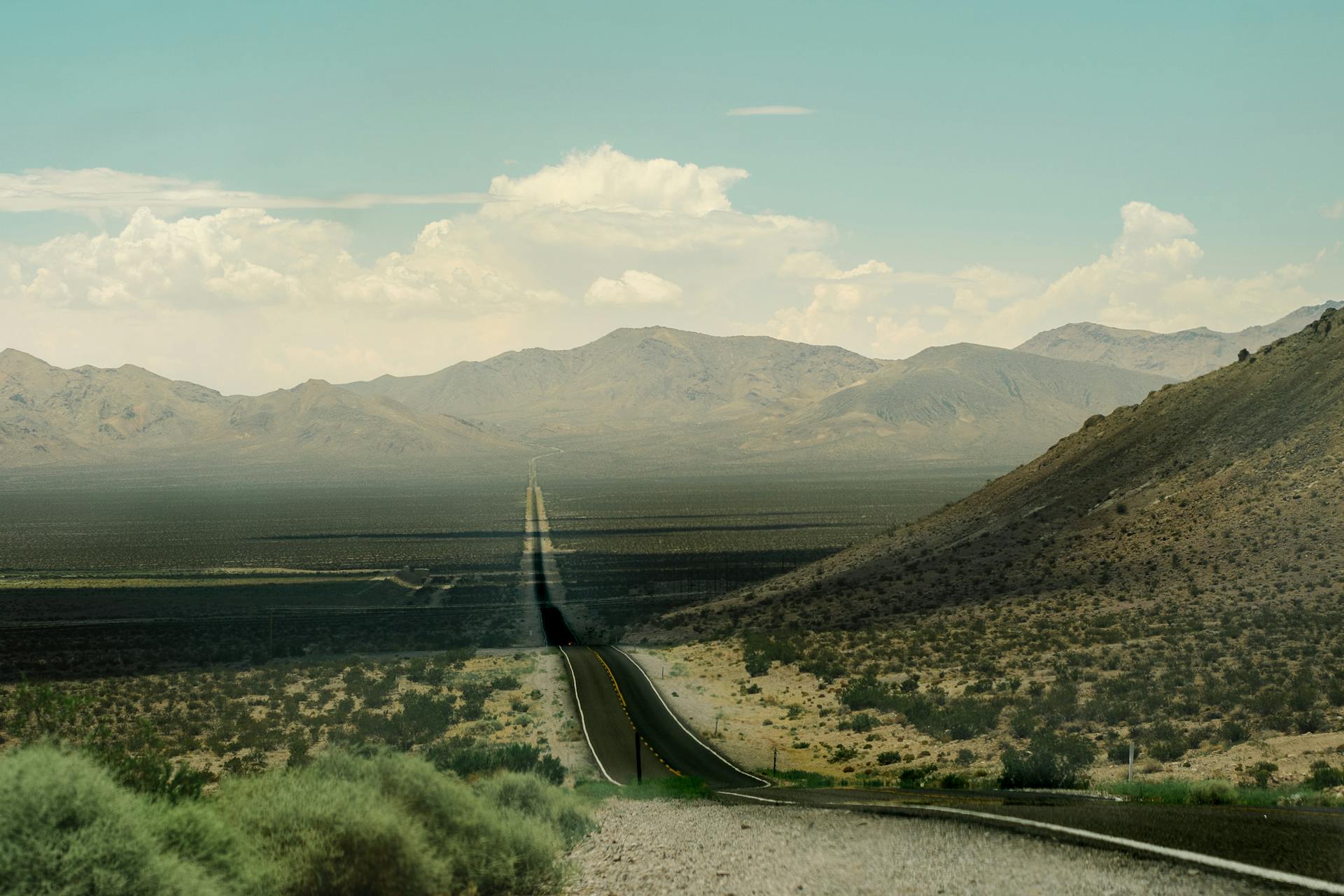
Converting TIFF to BMP keeps the image pixel-perfect because both formats are lossless. The visual is identical - but remember the BMP file will be much larger than the TIFF, since BMP stores raw uncompressed pixels with no size-saving compression.
Convert TIFF to BMP Online - Free & Pixel-Perfect
Easily convert your TIFF images to BMP (Bitmap) format - right in your browser. TIFF and BMP are both lossless, but BMP stores raw, uncompressed pixel data that older Windows software and technical tools can read directly without any codec. Note that BMP files are very large because they are uncompressed. If you need the reverse conversion, use our BMP to TIFF converter. For web-friendly output, try TIFF to JPG instead. This free TIFF to BMP converter is built for legacy compatibility, technical analysis, and raw pixel access.
⚖️ TIFF vs BMP - Quick Comparison
| Feature | TIFF (Tagged Image File Format) | BMP (Bitmap Image File) |
|---|---|---|
| Compression | Lossless / LZW or none | ✗ None (raw pixels) |
| File Size | Large (10-100 MB) | ✗ Very large |
| Transparency | ✓ Yes (alpha) | ✗ No |
| Web Support | ✗ Not displayed | ✗ No |
| Best For | Print, archival, scanning | Legacy Windows, technical use |
| Codec Needed | Yes (specialist) | ✓ None on Windows |
In practice, TIFF is the better choice for professional printing and archival because it offers lossless quality with optional compression to keep size manageable. BMP is the better choice only in specific situations: when a legacy Windows program, a technical imaging pipeline, or a system-level process needs raw, uncompressed pixel data it can read without any codec. The big caveat is size - BMP stores every pixel uncompressed, so the output is significantly larger than the TIFF, and BMP is unsuitable for the web or email. For everyday use, convert TIFF to TIFF to JPG for a small, universally compatible file, and reserve BMP for the legacy and technical cases where raw access is genuinely required. To shrink large sources first, use our TIFF compressor.
🎯 When to Use BMP
BMP is a niche but useful format for specific technical and legacy scenarios. Here are the cases where converting TIFF to BMP makes sense:
Legacy Windows Software
Older Windows applications and embedded systems sometimes only accept BMP. Converting TIFF to BMP produces a raw bitmap these programs can open directly, with no codec or library required on the Windows platform.
Technical & Pixel-Level Work
Some technical pipelines, scientific tools, and image-processing routines expect uncompressed pixel data. BMP gives them direct, byte-level access to every pixel without any decompression step in between.
System-Level Graphics
Certain system utilities, splash screens, and low-level graphics handlers on Windows use BMP natively. Converting from TIFF ensures your image is in the exact raw format these components expect.
Offline & Codec-Free Use
Because BMP needs no advanced codec, it is reliable in offline or locked-down environments where installing decoders is not possible. The raw format just works on any Windows system.
For nearly all other uses, a compressed format is far more practical. Convert TIFF to TIFF to JPG for a small, universal file, or to TIFF to PNG for lossless web graphics. To reduce a large source, use our TIFF compressor.
🖨️ When to Keep TIFF Instead
For most purposes, TIFF is the better format to keep. BMP's lack of compression makes it impractical outside narrow use cases. Knowing when not to convert saves storage and hassle:
Printing & Publishing
Print shops accept TIFF, not BMP. TIFF preserves full quality with manageable file sizes and embedded print metadata, while BMP is uncompressed and carries no print tags - keep TIFF for any production work.
Archival Storage
TIFF is the trusted archival standard precisely because it is lossless yet can be compressed efficiently. BMP wastes huge amounts of storage with no benefit for preservation, so keep the TIFF master.
Web & Sharing
Neither format displays in browsers well, but BMP's enormous size makes it the worst possible choice for sharing. For anything web-facing, convert to TIFF to JPG or TIFF to PNG instead of BMP.
Transparency & Color Depth
TIFF supports alpha transparency and high bit depths; BMP typically does not. If your image needs transparency or 16-bit color, keep the TIFF and avoid the BMP conversion entirely.
Need other formats from your TIFF? Convert to TIFF to PSD for layered Photoshop editing, or to TIFF to RAW for RAW-pipeline workflows. You can also compress the source first with our TIFF compressor.
💎 Key benefits / Why convert TIFF to BMP
Raw Pixel Access
BMP exposes every pixel as uncompressed data, giving technical tools and legacy software direct access with no decoding step. This is the single biggest reason to convert TIFF to BMP.
Native Windows Support
Windows reads BMP without any codec or library, making it dependable in legacy and locked-down environments where modern decoders may not be available.
Lossless Conversion
Like TIFF, BMP is lossless - converting preserves every pixel exactly. The only trade-off is file size, not image quality, so your data stays perfectly intact.
Predictable, Simple Format
BMP's straightforward structure makes it easy for technical pipelines to parse. For everyday sharing, though, convert to a TIFF to JPG instead, and keep TIFF safe with our TIFF compressor.
⚙️ Features of this tool
- ✓ Convert single or multiple TIFF files at once - batch processing supported
- ✓ Lossless BMP output - every pixel preserved exactly
-
✓
Canvas-based BMP encoding via fast browser-native APIs - ✓ Raw, uncompressed bitmap output for legacy and technical use
- ✓ Batch ZIP download: all converted BMP files bundled into a single archive
- ✓ Handles large multi-megabyte TIFF scans without uploading anything
- ✓ Works on all modern browsers - Chrome, Edge, Firefox, Safari
- ✓ Mobile-friendly: responsive on phones, tablets, and desktops
-
✓
Import via
Computer,URL,Google Drive, orDropbox - ✓ Client-side only: all data stays in your browser. No server uploads, ever
📋 How to use (step-by-step)
-
Select your TIFF files
Click "Select File" or drag files directly into the drop zone. You can also import from
URL,Google Drive, orDropbox. - Choose BMP output Select BMP as your output format and adjust any available options before converting.
- Convert your files Click "Convert" to start. Each file is processed locally in your browser with real-time progress. Conversion takes only seconds.
-
Download your files
Download each BMP individually, or grab everything at once in a single
.ziparchive. - Convert more anytime Process as many TIFF files as you like - there are no limits, no watermarks, and nothing is ever uploaded to a server.
🔧 Technical notes (what to expect)
BMP stores raw uncompressed pixels, so the converted file is significantly larger than the original TIFF - often several times the size. This is expected behavior for the uncompressed bitmap format. BMP is not suitable for web use; for sharing, convert to TIFF to JPG instead.
Standard BMP does not support an alpha channel, so any transparency in your TIFF will be flattened. If you need to keep transparency, convert to TIFF to PNG or WebP, both of which fully support alpha.
BMP's main value is compatibility with older Windows software and technical pipelines that require raw pixel data without a codec. For any modern, cross-platform, or web purpose, a compressed format is far more practical.
Because BMP output is so large, big TIFF sources or batches may strain browser memory. If conversion stalls, process fewer files at once or use a device with more RAM. Everything runs locally with no server-side limit.
💡 Use cases / Examples
Developers maintaining legacy Windows applications that only accept BMP, converting TIFF source images into the raw bitmap format those older programs require to display correctly.
Technical and scientific workflows that need uncompressed, byte-level pixel data from TIFF scans for analysis or processing, where any compression would interfere with the pipeline.
System administrators preparing BMP assets for Windows utilities, splash screens, or embedded environments that use the native bitmap format without modern image codecs.
Users who need a codec-free, offline-reliable image from a TIFF for a specific legacy device - while keeping the TIFF master and using TIFF to JPG for everything web-related.
🔗 Related Image Tools
This converter is part of our complete image tools suite. Here are the tools most commonly used alongside TIFF to BMP conversion:
Built for Everyone in India
Whether you're printing, publishing, archiving, or just need a quick format swap - this tool is for you.
FAQs - TIFF To BMP Converter
Why are my BMP files so much larger than the TIFF?
▼BMP stores raw, uncompressed pixel data, so it does not benefit from any of the compression that keeps TIFF files smaller. As a result, the BMP output is significantly larger than the original - often several times the size. This is completely normal and expected for the uncompressed bitmap format. If file size matters, BMP is the wrong choice; convert your TIFF to JPG, PNG, or WebP instead for a far smaller, more practical file.
Does converting TIFF to BMP reduce image quality?
▼No. BMP is a lossless format, just like TIFF, so converting preserves every pixel exactly with no quality loss. The only difference is file size - BMP is much larger because it is uncompressed. Your image data stays perfectly intact. This makes TIFF to BMP a reliable conversion when you specifically need raw, uncompressed pixels, even though the resulting files are impractically large for general use.
Are BMP files suitable for websites or web use?
▼No. BMP files are very large and are not supported for display in web browsers, so they are entirely unsuitable for websites, email, or online sharing. BMP exists for legacy Windows software and technical pipelines that need raw pixel data. For any web purpose, convert your TIFF to JPG for photos, PNG for lossless graphics, or WebP for the smallest modern web files instead of BMP.
Does this tool upload my TIFF files to a server?
▼No. All conversion happens entirely in your browser using client-side JavaScript and the Canvas API. Your TIFF files never leave your device - nothing is uploaded, transmitted, or stored anywhere. This keeps your images completely private, and the tool works even offline once the page has loaded. There is zero data collection involved in converting your TIFF files to BMP, regardless of how large the output may be.
Will transparency be kept when I convert TIFF to BMP?
▼No. Standard BMP does not support an alpha channel, so any transparent areas in your TIFF will be flattened during conversion, typically to a solid background. If preserving transparency is important - for logos, cutouts, or overlays - convert your TIFF to PNG or WebP instead, as both of those formats fully support alpha transparency while BMP does not.
Why would I convert TIFF to BMP at all?
▼The main reasons are legacy compatibility and technical access. Some older Windows applications, embedded systems, scientific tools, and low-level graphics processes require raw, uncompressed BMP pixel data that they can read without any codec. In those specific cases, BMP is the format that works. For virtually every other purpose - web, sharing, storage, printing - a compressed format like JPG, PNG, or the original TIFF is far more practical.
Can I convert multiple TIFF files to BMP at once?
▼Yes. Batch conversion is fully supported - select or drag in multiple TIFF files and convert them all to BMP in a single operation, then download each one individually or as a single ZIP archive. Keep in mind that BMP output is large, so converting many big files at once may use considerable browser memory. Processing in smaller groups helps on devices with limited RAM.
Does BMP work on Mac or Linux as well as Windows?
▼BMP originated as a Windows format and is best supported there, where it needs no codec at all. Modern Mac and Linux image viewers can usually open BMP too, but the format's primary value is Windows legacy and technical compatibility. If you need a truly cross-platform image, convert your TIFF to JPG or PNG instead, both of which are universally supported on every operating system.
Is there any compression option for the BMP output?
▼BMP is defined as an uncompressed (or minimally compressed) raw bitmap format, which is precisely why technical and legacy software value it - the pixel data is directly accessible. That also means the files are large by design. If you need smaller files, BMP is not the right target; convert your TIFF to a compressed format such as JPG, PNG, or WebP, which dramatically reduces size while remaining widely usable.
Are there limits on file size or number of files?
▼The tool supports TIFF files up to 100 MB each. Because conversion runs in your browser and BMP output is large, the practical limit depends on your device's memory. Very large sources or big batches may strain RAM. For best results, process large batches in smaller groups, especially on mobile devices or older computers, so the uncompressed BMP files do not overwhelm available memory.
Is the TIFF to BMP converter completely free?
▼Yes, it is entirely free with no limits, no watermarks, no sign-up, and nothing to install. Convert as many TIFF files to BMP as you need, whenever you need. Everything runs locally in your browser, so there are no server costs. It is part of our complete suite of free, privacy-first image tools, all designed to work instantly while keeping every file securely on your own device.
Other Tool Categories
Image Tools
Convert, compress, and resize images in multiple formats - JPG, PNG, WebP, ICO, and more.
Salary Calculators
Calculate in-hand salary, CTC breakup, tax deductions, and more for Indian employees.
Unit Converters
Convert length, weight, temperature, speed, volume, and 200+ measurement units instantly.
Text Tools
Count words, convert case, generate lorem ipsum, find & replace text, and more writing utilities.
Start Converting Images
Convert your TIFF images to BMP format - lossless, raw, private, and browser-based. No sign-up required.
🚀 Start Converting