Compress JPG Images Online — Free & Private
Shrink JPG / JPEG file sizes in your browser. No upload, no signup, no watermarks — everything runs locally on your device.
Drag & Drop JPG files here
or
Pick one image or many — the compressor handles batches.
JPG / JPEG only · Max file size: 100MB
ℹ️ Re-encoded JPGs strip EXIF metadata — image orientation is baked in first. Smaller files, more privacy.
Your images are processed locally in your browser. No files are uploaded or stored on our servers.
JPG is the most widely used image format on the planet — and compressing it is the single most common image task people perform every day. Our free Compress JPG Image tool shrinks your JPEG photos by 40–80% while keeping them sharp enough for web pages, email attachments, social media, and document uploads. Everything runs directly inside your browser using the Canvas API, so your photos never leave your device, there is nothing to install, and there is no sign-up or upload to any server. Drop in a JPG, pick a quality level, and download a lighter file in seconds.
Because JPG uses lossy compression, you control the exact balance between file size and visual quality, with a sweet spot of 60–85 for most web work. Need a different format instead? Try our JPG to PNG or JPG to WebP converters, or compress other formats with Compress PNG and Compress WebP. If you need an exact file size for a form upload, jump straight to Compress to 50 KB, Compress to 100 KB, or browse the full Image Tools hub for every converter and compressor we offer.
Powerful JPG Compression, 100% Private
Instant Results
Compression runs in milliseconds right in your browser — no waiting for uploads or queues.
Fully Private
Your JPGs are processed locally with the Canvas API. Nothing is ever uploaded to a server.
Quality Control
Adjust the quality slider to balance sharpness against file size for any use case.
Free Forever
No accounts, no watermarks, no daily limits — compress as many JPGs as you need.
Compress a JPG in Four Simple Steps
No software, no sign-up, no uploads. Everything happens instantly inside your browser.
Upload Your JPG
Drag and drop your JPEG file or click to browse. You can select one image or several at once.
Choose Quality
Pick a quality level — 60 to 85 is the sweet spot for web. Watch the file size update live.
Process Instantly
The tool re-encodes your JPG locally using the Canvas API in a fraction of a second.
Download Result
Save your smaller JPG with one click. Same dimensions, lighter file, ready to use anywhere.
Same Sharpness, Smaller File
JPG compression keeps the same dimensions and visual detail at sensible quality levels — only the file size drops. Move the slider to compare.
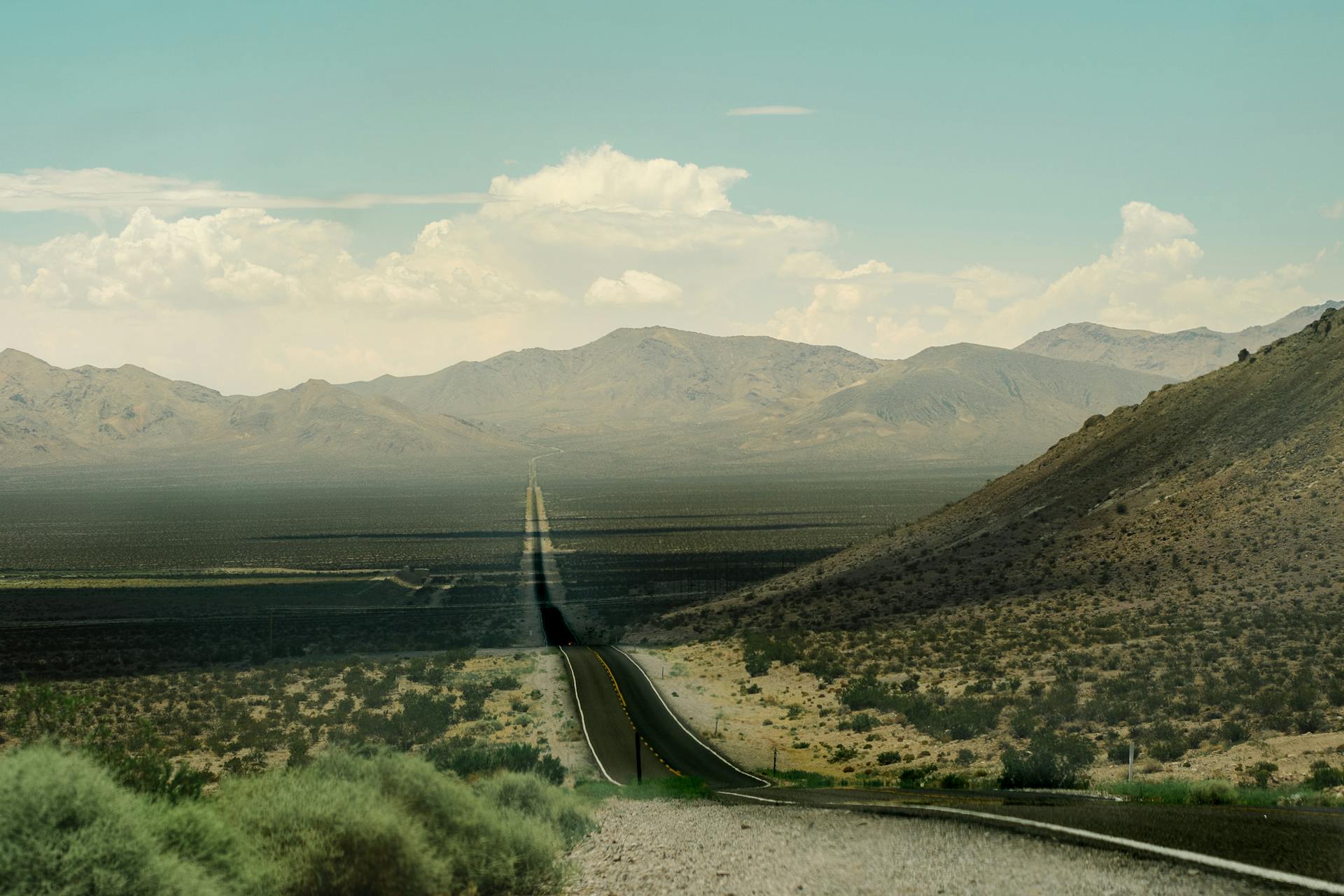
Hover or drag across the image to reveal the comparison.
Compress JPG Images Online — Free, Fast & Private
JPEG (commonly saved with a .jpg extension) is a lossy image format, which means it discards small amounts of visual data to achieve dramatically smaller file sizes. This makes JPG the default choice for photographs, social media posts, and web images — and it also makes compression incredibly effective. A typical camera photo can shrink by 40–80% with little or no visible difference when you pick a sensible quality level.
Our compressor re-encodes your JPEG in the browser using the HTML Canvas API. You choose a quality value, the tool generates a new, lighter JPG at the same pixel dimensions, and you download it instantly. Because the work happens on your own device, your images stay completely private. If you also need a different format, our JPG to PNG, JPG to WebP, and JPG to PDF converters work the same way.
JPG Compression at a Glance
| Characteristic | JPG Compression |
|---|---|
| Compression type | Lossy (adjustable quality) |
| Quality sweet spot | 60–85 for web use |
| Typical size savings | 40–80% |
| Transparency support | ✗ Filled with white |
| Output dimensions | ✓ Unchanged |
| Best for | Photos, social media, email, web |
| Animation | ✗ Not supported |
| Browser display | ✓ Universal |
The single most important control is quality. At quality 90–100 the savings are modest but the image is near-identical to the original. Drop to 60–85 and you typically cut file size in half or more with no obvious loss for photographs. Below 50, compression artifacts (blocky patches and fuzzy edges) become visible, especially around text and sharp lines — so for screenshots or graphics with text, consider Compress PNG instead.
When to Compress a JPG
Photographs for the Web
Photos are JPG's natural home. Compression keeps detail while slashing load times on websites and blogs.
Email Attachments
Most mail providers cap attachment sizes. A compressed JPG sends faster and avoids bounced messages.
Social Media Uploads
Platforms re-compress your image anyway, so uploading a smaller JPG saves bandwidth with no quality penalty.
When Not to Compress (or Compress Carefully)
Already-Compressed Files
Re-compressing the same JPG repeatedly stacks quality loss. Always compress from the original, not a re-saved copy.
Print-Ready Masters
For high-resolution printing, keep an uncompressed master. Use TIFF compression for print workflows.
Text & Screenshots
JPG blurs sharp edges and text. For logos, UI, and screenshots, PNG stays crisp and lossless.
Key Benefits of Our JPG Compressor
Faster Loading Sites
Lighter JPGs improve Core Web Vitals and SEO. Pair with WebP compression for the best web performance.
Total Privacy
Files never leave your browser. There are no uploads, no servers, and no data collection of any kind.
Completely Free
No subscriptions, no watermarks, no per-file limits. Compress unlimited JPGs from the Image Tools hub.
Works on Any Device
Runs on phones, tablets, and desktops — useful for compressing photos on the go for government forms.
Everything Included
- Adjustable quality slider (1–100)
- Live file-size preview before download
- Batch compression for multiple JPGs
- Original pixel dimensions preserved
- 100% client-side Canvas API processing
- Zero uploads — complete privacy
- Works offline once the page has loaded
- No account, no watermark, no limits
- Sanitized filenames for safe downloads
- Mobile, tablet, and desktop support
How to Compress a JPG Step by Step
-
Add your image
Drag a JPG into the upload area or click to browse your device. Select multiple files to compress them as a batch.
-
Set the quality level
Move the quality slider. Start at 75–80 for everyday photos; lower it gradually if you need a smaller file.
-
Preview the result
Check the live before-and-after file size. The tool shows exactly how much you have saved before you commit.
-
Download your compressed JPG
Click download to save the lighter file. The dimensions stay the same — only the size shrinks.
Technical Notes & Honest Limitations
JPEG compression works by grouping pixels into 8×8 blocks and discarding fine detail the human eye barely notices. Lower quality settings discard more, which is why heavily compressed JPGs show blocky patches. This is fundamentally different from lossless formats like PNG, where every pixel is preserved exactly.
The JPG format has no alpha channel, so it cannot store transparent pixels. When you compress a transparent source image to JPG, any clear areas are filled with solid white. If you need transparency, keep the file as PNG or WebP — our JPG to PNG converter is the right tool there.
Every time you save a JPG, a little more quality is lost — this is called generational loss. Compressing an already-compressed JPG several times produces visible degradation. For the best result, always start from the original photo or an uncompressed master rather than a file that has been saved multiple times.
This tool reduces file size through quality re-encoding only — the width and height of your image are unchanged. If you need a specific target size such as 20 KB for a very small upload, dimension reduction may also be required, which our target-size tools handle automatically.
Real-World Use Cases
Website & Blog Speed
Compress every photo before publishing to cut page weight, improve load times, and rank better in search.
WhatsApp & Email Sharing
Send photo galleries without hitting attachment limits or eating into mobile data allowances.
Online Applications
Fit recruitment and admission photo limits using fixed targets like 50 KB or 75 KB.
E-commerce Listings
Keep product photos sharp but light for Amazon, Flipkart, and Meesho — try a 200 KB target.
Related Image Tools
Built for Everyone in India
From students filing applications to bloggers, sellers, and professionals — anyone who needs lighter JPGs without losing quality.
Frequently Asked Questions
For most photographs you can cut file size by 40–80% at quality levels of 60–85 with no obvious difference to the eye. The exact saving depends on the image — busy, detailed photos compress less than simple ones. Start around quality 75–80, preview the result, and lower it only if you need a smaller file. Below quality 50 you will start to see blocky artifacts.
No. This tool reduces file size purely by re-encoding the image at a lower quality — the width and height in pixels stay exactly the same. If you specifically need a very small file such as 10 or 20 KB, the dimensions may also need to shrink, which our dedicated target-size tools handle for you automatically.
JPG is a lossy format. It achieves small file sizes by discarding fine detail that the human eye rarely notices. This is what makes it perfect for photographs but unsuitable for sharp graphics and text. If you need lossless compression that preserves every pixel exactly, compress your image as PNG instead, which keeps logos and screenshots perfectly crisp.
No. All compression happens entirely inside your own browser using the Canvas API. Your JPG files are never uploaded, transmitted, or stored anywhere. There are no accounts, no tracking, and no server involved. Once the page has loaded you can even disconnect from the internet and the tool will keep working.
The JPG format cannot store transparency — it has no alpha channel. When a transparent area is saved as JPG, it is filled with solid white. If you need to keep transparency, use our JPG to PNG converter or compress the file as PNG or WebP, both of which fully support transparent backgrounds.
Yes. You can select multiple JPG files and compress them together as a batch. Each image is processed locally in your browser one after another, and you can download them individually or as a set. Because everything runs on your device, the practical limit is your device's available memory rather than any server quota.
No. Each time a JPG is re-saved, a little more quality is permanently lost — this is called generational loss. Compressing an already-compressed file repeatedly causes visible degradation. For the best results, always start from the original photo or an uncompressed master rather than a file you have already compressed before.
For web images, a quality of 70–80 is the standard recommendation. It gives a substantial file-size reduction while keeping photos looking crisp on screens. For hero banners and large images you might go slightly higher; for thumbnails you can go lower. Faster-loading pages also help your Core Web Vitals scores and search rankings.
WebP typically produces files 25–35% smaller than JPG at the same visual quality, and it supports transparency. For modern websites, WebP is the better choice. However, JPG has near-universal support including older email clients and legacy software. If your audience needs guaranteed compatibility, JPG is the safer pick; otherwise try our Compress WebP tool.
Absolutely. Many Indian government and exam portals cap photo uploads at sizes like 25 KB, 50 KB, or 100 KB. You can lower the quality slider until you hit the limit, or use one of our dedicated target-size tools that compress your image to an exact size automatically — ideal for Aadhaar, PAN, UPSC, and recruitment applications.
Yes. The compressor is fully responsive and works on Android and iPhone browsers just as it does on desktop. You can pick a photo straight from your gallery, compress it, and save the lighter version — perfect for filling out application forms or sharing pictures on the move without using a computer.
Other Tool Categories
Image Tools
Convert, compress, and resize images in multiple formats — JPG, PNG, WebP, ICO, and more.
Salary Calculators
Calculate in-hand salary, CTC breakup, tax deductions, and more for Indian employees.
Unit Converters
Convert length, weight, temperature, speed, volume, and 200+ measurement units instantly.
Text Tools
Count words, convert case, generate lorem ipsum, find & replace text, and more writing utilities.
Compress Your JPG Images Now
Shrink your photos by up to 80% in seconds — sharp, lighter, and ready to upload anywhere. 100% free, 100% private, right in your browser.
Start Compressing JPGs