Compress BMP Images
Reduce BMP file size by resizing dimensions and optionally reducing color depth. Output stays BMP — everything runs locally in your browser.
Drag & Drop BMP files here
or
Pick one image or many — the compressor handles batches.
BMP only · Max file size: 100MB
BMP is uncompressed by design. Real savings come from smaller dimensions or fewer colors. For maximum compression, consider converting to PNG or WebP instead.
ℹ️ BMP output is uncompressed (BI_RGB). File size depends entirely on dimensions and color depth — there is no quality setting to trade off.
Your images are processed locally in your browser. No files are uploaded or stored on our servers.
BMP (Bitmap) is one of the oldest image formats — a raw, uncompressed Windows format that stores every single pixel with no size optimization at all. That makes BMP files enormous, often many times larger than the same image in any modern format. Our free Compress BMP Image tool fixes exactly that: it re-encodes your bitmap far more efficiently, delivering the most dramatic size reduction of any format we support — typically 70–90%. Everything runs directly inside your browser using the Canvas API, so your images never leave your device, there's nothing to install, and there's no sign-up or upload to any server.
Because BMP has no built-in compression, the savings here are huge with no meaningful quality loss for most images. Need a different format instead? Try our BMP to PNG or BMP to JPG converters, or compress other formats with Compress PNG and Compress JPG. If you need an exact file size for a form upload, jump to Compress to 50 KB or Compress to 100 KB, or browse the full Image Tools hub for every converter and compressor we offer.
Massive BMP Size Reduction, 100% Private
Biggest Savings
BMP files are raw and huge — expect a 70–90% size cut, the largest reduction of any format we handle.
No Visible Loss
Re-encoding to an efficient format keeps your image sharp while removing the wasted bytes BMP leaves behind.
Fully Private
Your BMP images are processed locally with the Canvas API. Nothing is ever uploaded to a server.
Free Forever
No accounts, no watermarks, no daily limits — compress as many BMP files as you need.
Compress a BMP in Four Simple Steps
No software, no sign-up, no uploads. Everything happens instantly inside your browser.
Upload Your BMP
Drag and drop your BMP file or click to browse. You can select one bitmap or several at once.
Choose Output
Keep it lossless as PNG for graphics, or pick JPG for photographs to maximise the size saving.
Process Instantly
The tool re-encodes the raw bitmap locally using the Canvas API, stripping out wasted bytes.
Download Result
Save your dramatically smaller file with one click — same image, a tiny fraction of the size.
Same Image, Tiny Fraction of the Size
BMP stores every pixel raw, so the file is huge. Re-encoding keeps the same dimensions and detail while cutting the size by up to 90%. Move the slider to compare.
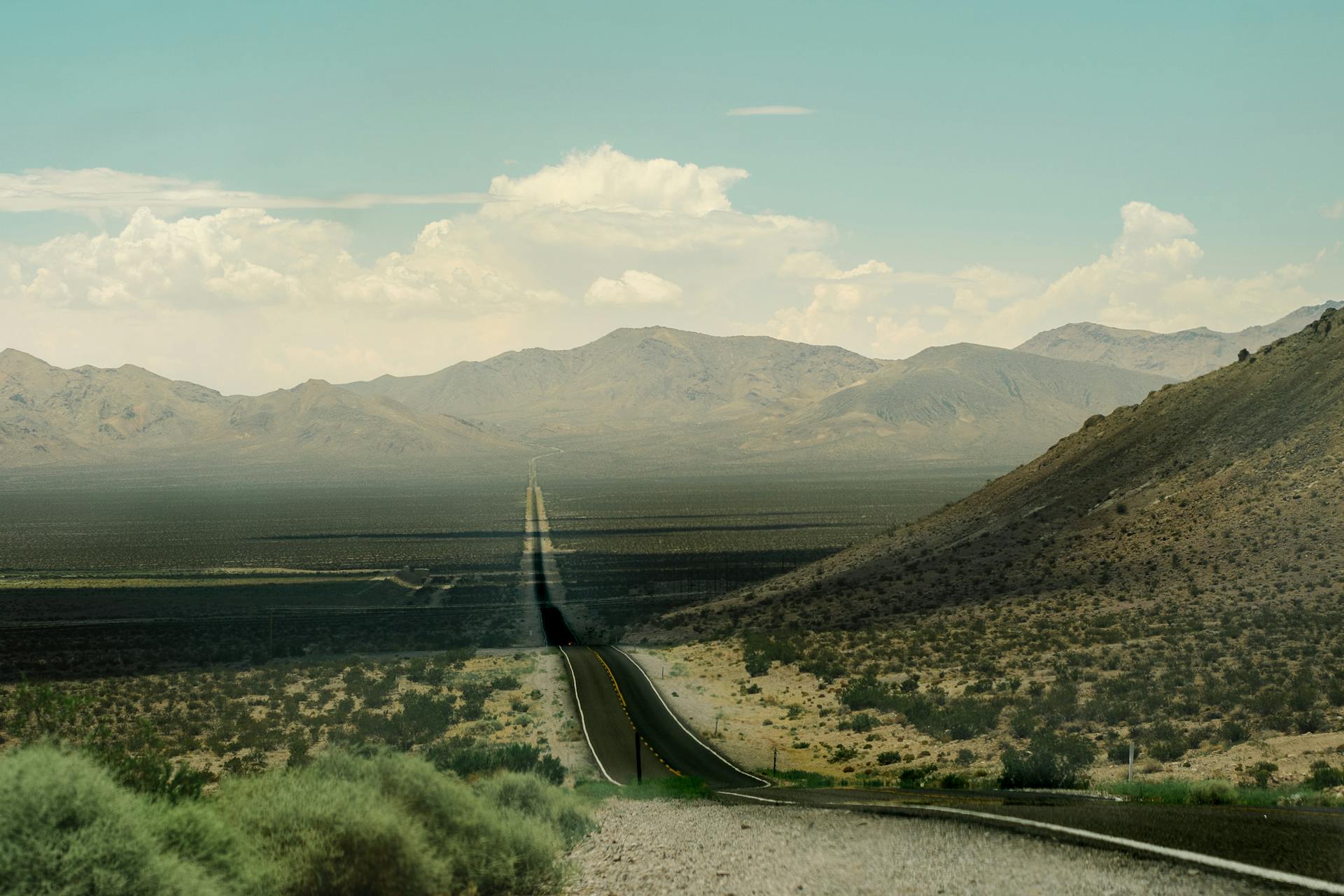
Hover or drag across the image to reveal the comparison.
Compress BMP Images Online — The Biggest Size Savings
BMP (Bitmap) is a legacy image format native to Windows that stores image data completely uncompressed. Every pixel is written out in full, with no optimization whatsoever, which is why BMP files are so much larger than the same picture saved as PNG, JPG, or WebP. Because there is so much wasted space to remove, compressing a BMP produces the most dramatic size reduction of any format we support — commonly 70–90%.
Our tool decodes the raw bitmap in the browser using the Canvas API and re-encodes it into a far more efficient format — lossless PNG for graphics or JPG for photographs. Everything stays on your device, so your images remain private. If you'd rather just change format, our BMP to PNG, BMP to JPG, and BMP to WebP converters do exactly that.
BMP Compression at a Glance
| Characteristic | BMP Compression |
|---|---|
| Source format | Raw uncompressed bitmap |
| Compression method | Re-encode to PNG / JPG (or RLE) |
| Typical size savings | 70–90% (largest in this silo) |
| Quality loss | ✗ None when output is PNG |
| Output dimensions | ✓ Unchanged |
| Best for | Legacy Windows files, archive cleanup |
| Web use | Rare — convert to PNG / JPG / WebP |
| Era | Legacy format, mostly pre-2010 |
Unlike JPG or PNG, a BMP has no internal compression to begin with — so "compressing" it really means re-encoding it into a format that does compress. Choosing PNG output keeps the image perfectly lossless while still slashing the size, which is ideal for screenshots, logos, and graphics. Choosing JPG output gives an even smaller file and suits photographs. Because the starting file is so bloated, even the lossless route delivers enormous savings — far more than you'd see compressing an already-efficient format like PNG.
When to Compress a BMP
Reclaiming Disk Space
Old BMP archives eat storage fast. Re-encoding a folder of bitmaps can free up huge amounts of space.
Sharing or Emailing
Raw BMPs are far too big to email. Compress first so the file actually sends and downloads quickly.
Legacy Windows Files
Bitmaps from old software, scanners, or Paint can be modernised into compact, shareable formats.
Preparing for the Web
Browsers handle BMP poorly. Convert and compress to WebP or PNG before publishing online.
When BMP Isn't the Right Choice
Anything Web-Facing
Never publish a raw BMP online. Convert to JPG or PNG — browsers display those reliably and far faster.
Mobile & App Use
Mobile platforms rarely accept BMP. Modern formats are smaller and universally supported on phones.
New Projects
There's little reason to create new BMP files in 2026. Start in PNG or JPG to avoid the bloat entirely.
Photographs You'll Re-edit
For ongoing photo editing, keep a high-quality master and export compressed copies as JPG when done.
Key Benefits of Our BMP Compressor
Dramatic Savings
The 70–90% reduction is the biggest in our toolkit — far more than compressing WebP or PNG.
Total Privacy
Files never leave your browser. There are no uploads, no servers, and no data collection of any kind.
Completely Free
No subscriptions, no watermarks, no per-file limits. Compress unlimited BMPs from the Image Tools hub.
Works on Any Device
Runs on phones, tablets, and desktops — modernise old bitmaps anywhere, even for portal uploads.
Everything Included
- Lossless PNG output option
- Smaller JPG output for photos
- Up to 90% file-size reduction
- Live file-size preview before download
- Batch compression for multiple BMPs
- Original pixel dimensions preserved
- 100% client-side Canvas API processing
- Zero uploads — complete privacy
- Works offline once the page has loaded
- No account, no watermark, no limits
How to Compress a BMP Step by Step
-
Add your bitmap
Drag a BMP into the upload area or click to browse your device. Select multiple files to compress them as a batch.
-
Pick your output format
Choose lossless PNG to keep perfect quality, or JPG for photographs where the smallest size matters most.
-
Preview the result
Check the live before-and-after file size. The size drop on a raw BMP is usually striking.
-
Download your compressed file
Click download to save the much smaller image. The dimensions stay the same — only the size shrinks.
Technical Notes & Honest Limitations
A standard BMP file stores the colour value of every pixel directly, with no compression. A 10-megapixel image therefore takes around 30 MB as BMP, versus a few megabytes as JPG. This is why "compressing" a BMP is really about re-encoding it into a format that uses modern compression — and why the savings are so large.
Choosing PNG output keeps your image perfectly lossless — every pixel identical — which is best for screenshots, logos, and line art. Choosing JPG output applies lossy compression for an even smaller file, which suits photographs. Pick PNG when quality must be exact, and JPG when the smallest possible size is the priority.
BMP dates back to early Windows and is rarely used on the web or mobile today. You'll mostly encounter it in old software exports, legacy scanners, and the classic Paint program. For any modern use — websites, email, phones — a compressed PNG, JPG, or WebP is the better choice.
This tool reduces file size by re-encoding only — the width and height of your image are unchanged. If you need a specific target size such as 50 KB for an upload, dimension reduction may also be required, which our dedicated target-size tools handle automatically.
Real-World Use Cases
Archive Modernisation
Convert folders of old BMP scans and exports into compact PNG or JPG to reclaim large amounts of storage.
Legacy Software Output
Files produced by old Windows tools or scanners often default to BMP — compress them for easy sharing.
Email & Cloud Sharing
Raw bitmaps are too big to email or upload comfortably. Compression makes them manageable instantly.
Related Image Tools
Built for Everyone in India
From IT teams clearing old archives to students and office workers handling legacy Windows files — anyone who needs to shrink bulky bitmaps fast.
Frequently Asked Questions
BMP is a raw, uncompressed format that stores the full colour value of every single pixel with no optimization at all. A 10-megapixel image takes around 30 MB as a BMP, compared with just a few megabytes as JPG. Because none of that data is compressed, BMP files are dramatically bigger than the same image in any modern format.
Usually 70 to 90 percent smaller, which is the largest reduction of any format in our toolkit. Because BMP starts with zero compression, there's a huge amount of wasted space to remove. Choosing JPG output gives the biggest cut for photographs, while PNG output keeps perfect quality and still shrinks the file enormously.
If you choose PNG output, no — PNG is lossless, so every pixel is preserved exactly while the file becomes much smaller. If you choose JPG output, a small, usually invisible amount of detail is traded for an even smaller file, which is fine for photographs. Pick PNG when quality must stay perfect and JPG when size matters most.
No. All compression happens entirely inside your own browser using the Canvas API. Your BMP files are never uploaded, transmitted, or stored anywhere. There are no accounts, no tracking, and no server involved. Once the page has loaded you can even disconnect from the internet and the tool will keep working.
Rarely. BMP is a legacy Windows format that's been superseded by PNG, JPG, and WebP, which are far smaller and universally supported. You'll mostly run into BMP files exported by old software, scanners, or the classic Paint program. For any modern use, compress or convert them to a current format instead.
Support is inconsistent and BMP files are far too heavy for the web because of their size. Even where a browser can show one, the huge file slows the page down badly. Before publishing online, convert and compress your bitmap to PNG, JPG, or WebP, which display reliably everywhere and load much faster.
Choose PNG for graphics, logos, screenshots, and anything with sharp edges or text — it stays perfectly lossless. Choose JPG for photographs where the smallest possible file is what you want. If you need transparency support at a small size for the web, our BMP to WebP converter is another excellent option.
Yes. You can select multiple BMP files and compress them together as a batch — ideal for clearing out a folder of old bitmaps at once. Each image is processed locally in your browser, and you can download them individually or as a set. The practical limit is your device's available memory rather than any server quota.
No. The compressor reduces file size by re-encoding the bitmap into an efficient format only — the width and height in pixels stay the same. If you need a specific small file size such as 50 KB, dimension reduction may also be needed, which our dedicated target-size tools handle for you automatically.
Standard BMP files don't usually contain transparency, so there's typically nothing to lose. If your bitmap does have an alpha channel, choose PNG or WebP output to preserve it — both support full transparency. JPG output does not support transparency and will fill any clear areas with solid white.
Yes. The compressor is fully responsive and works on Android and iPhone browsers just like on desktop. If you receive an old BMP file on your phone, you can compress it into a modern, lightweight format right there — useful for sharing or uploading bitmaps without needing a computer.
Other Tool Categories
Image Tools
Convert, compress, and resize images in multiple formats — JPG, PNG, WebP, ICO, and more.
Salary Calculators
Calculate in-hand salary, CTC breakup, tax deductions, and more for Indian employees.
Unit Converters
Convert length, weight, temperature, speed, volume, and 200+ measurement units instantly.
Text Tools
Count words, convert case, generate lorem ipsum, find & replace text, and more writing utilities.
Compress Your BMP Images Now
Turn bulky raw bitmaps into compact, modern files — up to 90% smaller, same image, ready to share or upload anywhere. 100% free, 100% private, right in your browser.
Start Compressing BMPs