Compress RAW Images
Extract the embedded JPG preview from RAW photos and compress it for sharing or web use. Output: JPG (not RAW). Browsers cannot re-develop RAW sensor data — for full RAW editing use Lightroom, Capture One, or Adobe DNG Converter. This tool is for quickly making RAW photos viewable and small.
ℹ️ This tool extracts the JPG preview that your camera embedded in the RAW file. It does not re-develop the RAW sensor data. For full-quality editing and conversion of RAW files, use Adobe Lightroom, Capture One, darktable, or RawTherapee on desktop.
Drag & Drop RAW files here
or
Pick one RAW file or many — the extractor handles batches.
RAW only · Outputs JPG · 20+ formats supported · Max file size: 300MB
Professional cameras and phones with GPS embed location data in RAW files. We strip this by default.
ℹ️ Output is a JPG extracted from the camera-embedded preview — not a re-developed RAW. Metadata is stripped by default for privacy.
Your RAW files are processed locally in your browser. No files are uploaded or stored on our servers.
RAW files (such as CR2, NEF, ARW, and DNG) are the unprocessed sensor data straight from a camera — enormous, uncompressed, and packed with every bit of detail for editing. Our free Compress RAW Image tool helps photographers turn those massive files into compact, shareable copies by decoding the RAW data and re-encoding it as a compressed JPG or PNG, right in your browser. Nothing is installed, there's no sign-up, and your photos never leave your device. The savings are dramatic — typically 80–95% smaller than the source RAW.
One crucial point up front: you cannot losslessly “compress” a true RAW and keep it as RAW — this tool produces a delivery copy in a standard format. Always keep your original RAW files as your editing masters; the compressed output is for sharing, proofing, and archiving previews, not for re-editing. Need a specific delivery format? Try RAW to JPG or RAW to PNG. You can also compress other formats with Compress JPG and Compress WebP, fit an exact size with Compress to 500 KB, or browse the full Image Tools hub.
Huge RAW Savings, 100% Private
80–95% Smaller
RAW files are massive. A compressed delivery copy is a tiny fraction of the original size.
Keep Your Masters
The tool makes a delivery copy — your original RAW stays untouched as your editing master.
Fully Private
Your RAW photos are processed locally in the browser. Nothing is ever uploaded to a server.
Free Forever
No accounts, no watermarks, no daily limits — process as many RAW files as you need.
Compress a RAW in Four Simple Steps
No software, no sign-up, no uploads. Everything happens instantly inside your browser.
Upload Your RAW
Drag and drop your CR2, NEF, ARW, or DNG file, or click to browse. Add several at once if you like.
Choose Output
Pick a compressed JPG for the smallest delivery copy, or PNG when you want a lossless export.
Process Instantly
The tool decodes the embedded preview from the RAW and re-encodes it locally into your chosen format.
Download Result
Save your compact delivery copy with one click — and keep your original RAW as the master.
Master Detail, Delivery Size
A RAW holds enormous detail in a huge file. The compressed delivery copy keeps the same look at a tiny fraction of the size. Move the slider to compare.
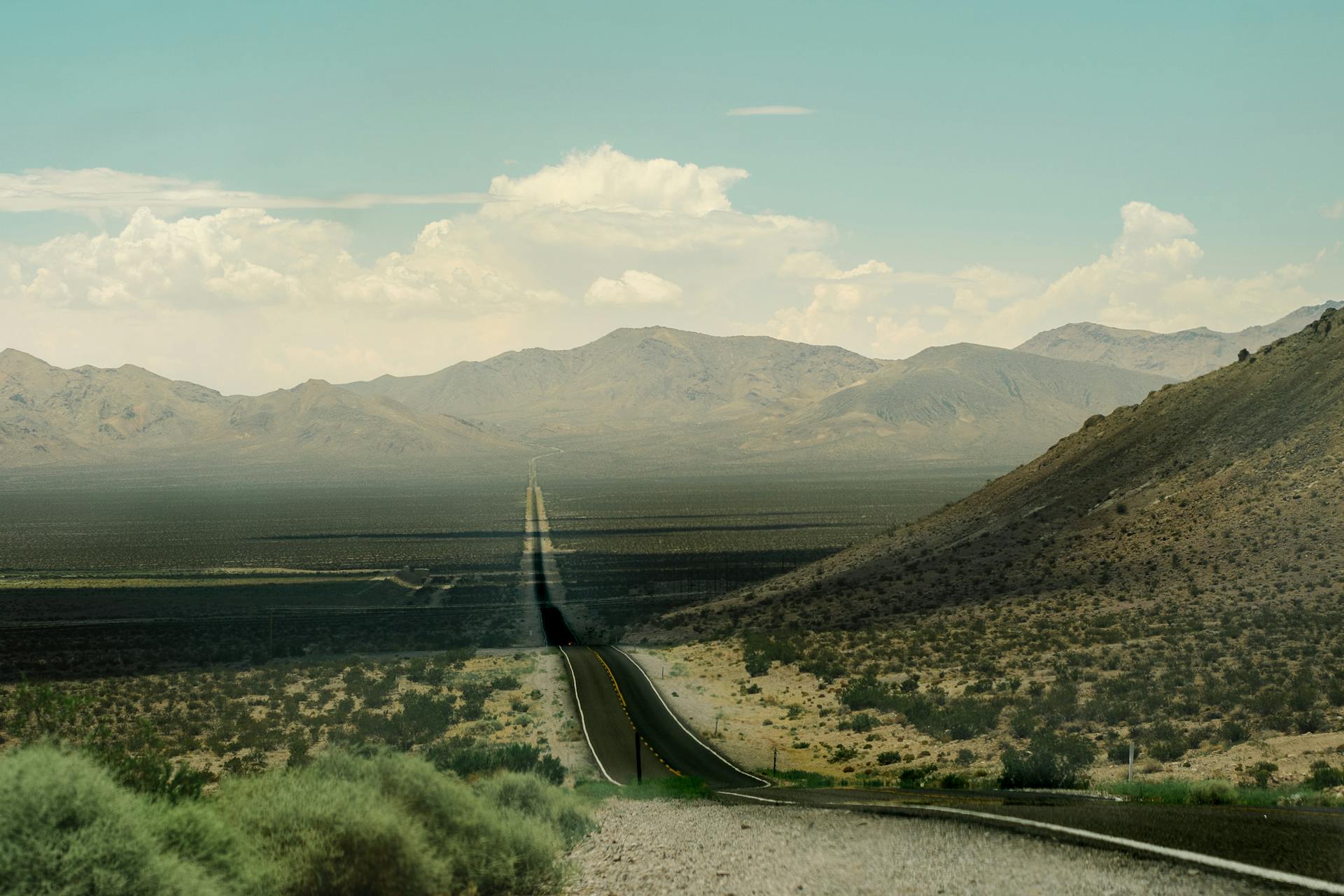
Hover or drag across the image to reveal the comparison.
Compress RAW Images Online — For Delivery, Not Editing
A RAW file is the raw, unprocessed data captured by a camera's sensor — formats like Canon's CR2, Nikon's NEF, Sony's ARW, and the universal DNG. These files are huge because they preserve maximum detail and dynamic range for editing. They aren't meant to be shared or posted directly; instead, photographers export smaller copies for delivery. Our tool does exactly that: it decodes the RAW data in your browser and re-encodes it as a compressed JPG or PNG, typically 80–95% smaller than the source.
The essential thing to understand is that you cannot losslessly “compress” a true RAW and keep it as RAW — RAW is sensor data, not a compressible delivery format. So this tool always produces a standard-format copy. Keep your original RAW files as the editing masters; the output here is for sharing, client proofs, and lightweight archive previews. When you need a specific format, our RAW to JPG, RAW to PNG, and RAW to WebP converters give you direct control.
RAW Compression at a Glance
| Characteristic | RAW Compression |
|---|---|
| Source | Camera sensor data (CR2, NEF, ARW, DNG) |
| Method | Decode RAW, re-encode to JPG / PNG |
| Output format | Compressed JPG (or lossless PNG) |
| Typical size savings | 80–95% vs source RAW |
| Editing headroom | ✗ Lost — keep the original RAW |
| Output dimensions | ✓ Full resolution preserved |
| Best for | Delivery copies, proofs, archive previews |
| Web & sharing | ✓ Yes — standard formats |
The size difference is the largest of any workflow in our toolkit, simply because a RAW file is so much heavier than a finished image. A 40–60 MB RAW can become a 2–5 MB JPG that looks the same on screen. The trade-off is the editing latitude that makes RAW valuable — the wide exposure and white-balance headroom — which the standard output copy does not retain. That's perfectly fine for delivery, but it's exactly why your master RAW should stay safely stored. For finished photos you're refining repeatedly, edit the RAW and export with Compress JPG at the end.
When to Compress a RAW
Client Delivery
Send finished shots to clients as compact files instead of multi-gigabyte RAW folders.
Proofs & Previews
Generate lightweight proof galleries so clients can review and select before final editing.
Archive Previews
Keep small browsable copies alongside your RAW archive so you can find shots without opening huge files.
Web & Social
RAW can't be posted online. Export a compressed copy, or convert with RAW to WebP for the web.
When Not to Compress a RAW
As Your Only Copy
Never delete the original RAW. The compressed file is a delivery copy — the RAW is your irreplaceable master.
Before Heavy Editing
Do all exposure and colour work on the RAW first. Compress only the finished result, not the file you'll edit.
For Large Prints
Big prints benefit from RAW's full data. Export a high-quality JPG at maximum quality for print instead.
If You Need RAW Latitude
Recovering shadows or highlights needs the RAW. A compressed copy can't restore that editing headroom.
Key Benefits of Our RAW Compressor
Massive Size Cut
Turn 40–60 MB RAW files into a few megabytes — the biggest reduction of any source in our toolkit.
Total Privacy
Your shoots never leave your browser. No uploads, no servers, and no data collection of any kind.
Completely Free
No subscriptions, no watermarks, no per-file limits. Process unlimited RAW files from the Image Tools hub.
Masters Stay Safe
The tool only creates a copy — your RAW originals are never altered, so your editing latitude is preserved.
Everything Included
- Supports CR2, NEF, ARW, DNG and more
- Compressed JPG or lossless PNG output
- Original RAW left completely untouched
- Live file-size preview before download
- Batch processing for multiple RAW files
- Full output resolution preserved
- 100% client-side processing
- Zero uploads — complete privacy
- Honest about delivery-copy limits
- No account, no watermark, no limits
How to Compress a RAW Step by Step
-
Add your RAW file
Drag a CR2, NEF, ARW, or DNG into the upload area or click to browse. Select several to process as a batch.
-
Choose output and quality
Pick a compressed JPG for the smallest delivery file, or PNG for a lossless copy, then set the quality.
-
Preview the result
Check the live before-and-after size to see the dramatic reduction from the original RAW.
-
Download — and keep the RAW
Save your compact delivery copy. Always keep the original RAW file safely stored as your editing master.
Technical Notes & Honest Limitations
RAW is unprocessed sensor data, not a delivery format you can simply shrink. To make a RAW smaller, it must be decoded and re-encoded into a standard format like JPG or PNG. That's why this tool always outputs a copy — and why your original RAW must be kept as the master for any future editing.
The tool reads your RAW file and extracts a full-resolution image from the embedded preview and sensor data, then re-encodes that into compressed JPG or PNG entirely in your browser. The result looks the same on screen but is a fraction of the size — ideal for delivery, while the RAW retains all the data the copy leaves behind.
A RAW file holds wide exposure and white-balance headroom that lets you recover blown highlights or lift deep shadows. A compressed JPG or PNG copy bakes in those settings and discards that latitude. For any image you may need to re-edit, work from the RAW and export the finished result — don't rely on the compressed copy for adjustments.
RAW formats differ by manufacturer and even by camera model, so browser-based decoding may handle some files better than others. DNG, the open standard, is the most broadly compatible. If a particular RAW doesn't process cleanly, exporting a DNG or a high-quality JPG from your editing software first, then compressing that, is a reliable fallback.
Real-World Use Cases
Wedding & Event Delivery
Turn hundreds of RAW shots into compact galleries clients can download and view easily.
Studio Proofing
Share lightweight proofs for selection before committing time to full RAW edits.
RAW Archive Management
Store small preview copies beside huge RAW archives so you can browse without opening originals.
Portfolio & Web Upload
Export web-ready copies for your portfolio — convert with RAW to WebP for the smallest online files.
Related Image Tools
Built for Everyone in India
From wedding and event photographers to studios and hobbyists managing huge RAW archives — anyone who needs compact delivery copies while keeping their masters safe.
Frequently Asked Questions
No. RAW is unprocessed camera sensor data, not a delivery format you can simply shrink. To make it smaller it must be decoded and re-encoded into a standard format like JPG or PNG. That's why this tool always produces a copy in a normal format. Your original RAW stays as it was, and you should keep it as your editing master.
Never. The compressed file is a delivery copy, not a replacement for your master. The original RAW holds all the exposure and colour latitude that lets you re-edit later. Always keep your RAW files safely stored — treat the compressed JPG or PNG purely as something to share, proof, or preview.
Typically 80 to 95 percent smaller — the largest reduction of any source in our toolkit. A 40 to 60 MB RAW often becomes a 2 to 5 MB JPG that looks the same on screen. The exact figure depends on the output format and quality you pick. The live preview shows your before-and-after size before you download.
Common formats including Canon CR2, Nikon NEF, Sony ARW, and the open DNG standard are supported. Because RAW formats vary by manufacturer and camera model, browser decoding handles some better than others. DNG is the most broadly compatible. If a file won't process cleanly, exporting a DNG or high-quality JPG from your editor first is a reliable fallback.
Yes, in the copy. A RAW file holds wide exposure and white-balance headroom that lets you recover highlights and lift shadows. The compressed JPG or PNG bakes in those settings and discards that latitude. That's why you do your editing on the RAW and only compress the finished result — and why the original must be kept.
For photographs, compressed JPG gives the smallest delivery files and is what most clients and platforms expect. Choose PNG only if you need a lossless copy, for example for graphics or when you'll do further processing. For the very smallest web files with good quality, converting to WebP is also worth considering.
No. All processing happens entirely inside your own browser. Your RAW files are never uploaded, transmitted, or stored anywhere, which matters for unreleased client work. There are no accounts, no tracking, and no server involved. Once the page has loaded you can even disconnect from the internet and the tool keeps working.
For everyday prints, a maximum-quality JPG export works well. For large or critical prints, it's best to export from the RAW at full quality in your editing software, since the RAW's complete data gives the printer the most to work with. Use this tool mainly for screen delivery, proofs, and web rather than fine-art printing.
Yes. You can select multiple RAW files and process them together as a batch — useful for turning a whole shoot into delivery copies at once. Each file is handled locally in your browser, and you can download them individually or as a set. Because RAW files are large, available device memory is the practical limit.
RAW files need special software or codecs to view, since they're sensor data rather than ready-made images, and support varies by camera. That's exactly why exporting a standard JPG or PNG copy is so useful — the compressed delivery file opens on any device, while you keep the RAW for editing in your photo software.
Yes, though RAW files are very large, so processing them on a phone depends on available memory. The tool is fully responsive and works in mobile browsers, but for big batches of RAW files a desktop will generally be faster and more comfortable. Single files and previews handle fine on most modern phones.
Other Tool Categories
Image Tools
Convert, compress, and resize images in multiple formats — JPG, PNG, WebP, ICO, and more.
Salary Calculators
Calculate in-hand salary, CTC breakup, tax deductions, and more for Indian employees.
Unit Converters
Convert length, weight, temperature, speed, volume, and 200+ measurement units instantly.
Text Tools
Count words, convert case, generate lorem ipsum, find & replace text, and more writing utilities.
Compress Your RAW Images Now
Turn massive CR2, NEF, ARW, and DNG files into compact delivery copies — up to 95% smaller, while your original RAW masters stay safe. 100% free, 100% private, right in your browser.
Start Compressing RAWs