WebP To PDF Converter
Convert your WebP images (lossy and lossless) to PDF format.
Drag & Drop WebP files here
or
Import a WebP image directly from a public URL, Google Drive, or Dropbox.
Max file size: 100MB
ℹ️ Each WebP image will be converted to a single-page PDF document.
Your images are processed securely. No files are uploaded or stored on our servers.
Convert WebP to PDF online without installing any software. This tool turns one or multiple WebP images into a single, shareable PDF document - perfect for reports, portfolios, documentation, and professional use. You can combine many images into one PDF, with each image placed on its own page, making it easy to send a clean, organized document instead of a folder of separate files. If you need a standard image format instead, our WebP to JPG converter or WebP to PNG converter may suit you better. This free converter handles it all instantly in your browser.
PDF (Portable Document Format) preserves layout and image quality while opening reliably on every device and platform. Converting WebP to PDF is ideal for sharing, printing, and archiving, since a single consolidated file is far easier to send than multiple images. Each WebP you add becomes a page in the final document, so you can build multi-page PDFs from a batch of images in seconds. If your source images are large, run them through our WebP compressor first. Simply upload your WebP images, arrange them, convert, and download your PDF.
Lightning Fast
Convert WebP images to PDF in seconds with our optimized engine that runs entirely in your browser - no uploads, no waiting.
Privacy First
No account needed. No data uploaded to servers. Your files stay on your device, processed locally in your browser.
Combine Into One PDF
Merge multiple WebP images into a single PDF, with each image placed on its own page - ideal for documents.
Print-Ready Output
PDFs keep layout and quality consistent across devices and printers, making them perfect for sharing and printing.
How It Works
Convert your WebP images to PDF in 4 simple steps. No sign-up required, no software to install.
Upload Your Images
Click to select or drag and drop one or multiple WebP files. You can also import from URL, Google Drive, or Dropbox.
Arrange Images
Order your images as needed - each one becomes a page in the final PDF, so you control the document sequence.
Convert Instantly
Processing happens entirely in your browser. No uploads, no server-side processing. 100% local and private.
Download Your PDF
Get your combined PDF document ready to share, print, or archive. One clean file with all your images. Ready in seconds.
Same Image, Document Format
Our converter places your image into a clean PDF page while keeping it visually identical. Move your cursor across the image to compare - the visual output is the same. Only the format and how it's shared change.
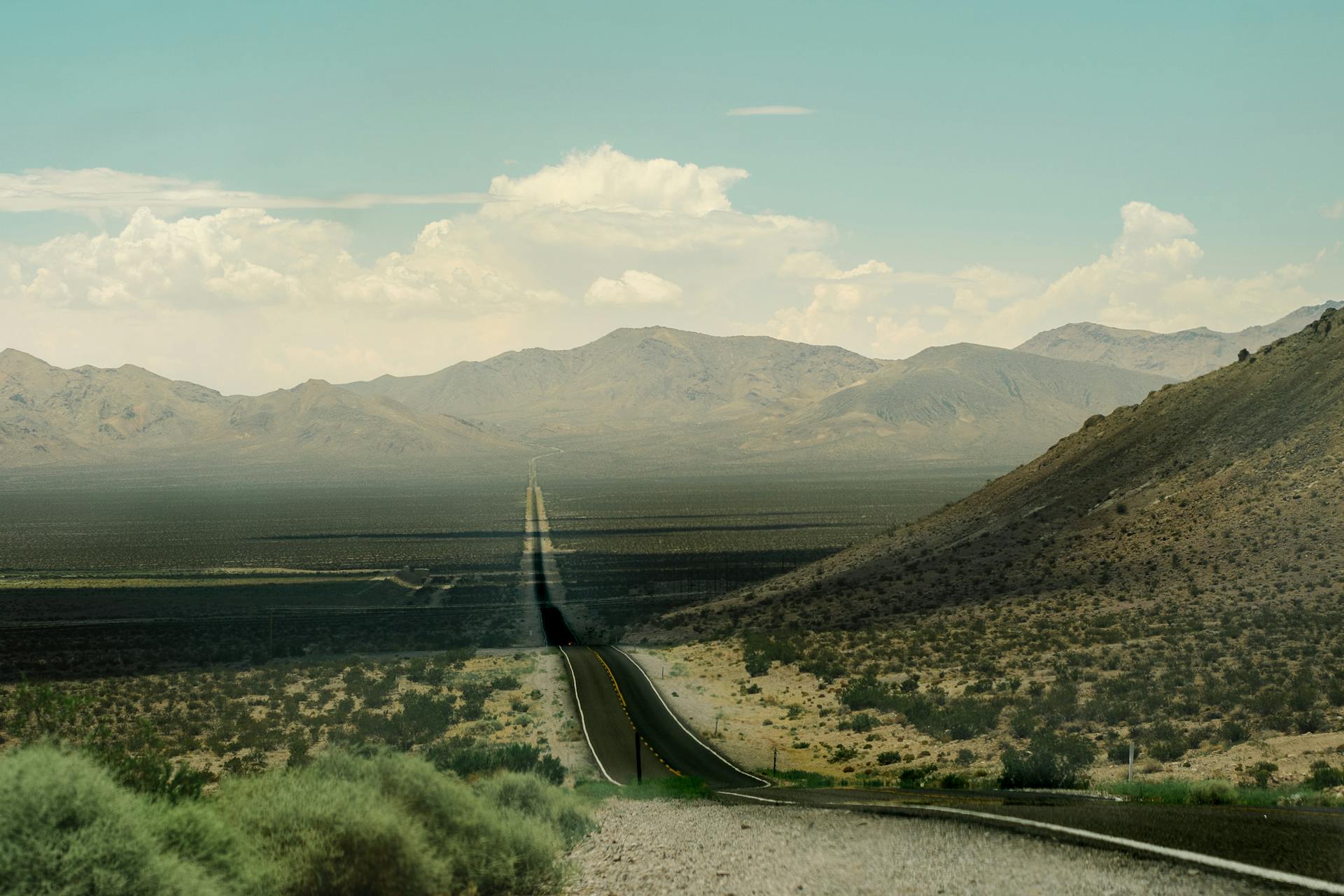
Converting WebP to PDF keeps your image looking the same while wrapping it in a universally shareable document. Each image becomes a page, so you can combine several WebP files into one clean PDF. The file is slightly larger due to the PDF structure, but you gain a format that prints consistently, opens everywhere, and is far easier to send than a folder of separate images.
Convert WebP to PDF Online - Free & Secure
Easily convert your WebP images to PDF documents - right in your browser. WebP is great for web images, but a PDF is far better for sharing, printing, and archiving. Our tool combines one or multiple WebP files into a single PDF, placing each image on its own page so you get one clean, organized document. If you only need a standard image format, use our WebP to JPG converter or WebP to PNG converter instead. This free WebP to PDF converter is perfect for reports, portfolios, and professional documentation.
⚖️ WebP vs PDF - Quick Comparison
| Feature | WebP | |
|---|---|---|
| File Type | Image format | ✓ Document format |
| Multiple Pages | ✗ No | ✓ Yes |
| Print Support | Limited | ✓ Excellent |
| Sharing | Multiple files | ✓ Single file |
| Universal Opening | Modern browsers | ✓ Everywhere |
| Best Use | Web-optimized images | Documents & sharing |
In practice, WebP is the better choice for displaying images on websites, where small size and fast loading matter. PDF is the better choice when you need to share, print, or archive images as a structured document. The defining advantage of PDF is that it can hold multiple images as pages in one consolidated file, preserve consistent layout across devices, and open reliably everywhere. Instead of emailing a folder of separate WebP files, you send a single tidy PDF. If you only need one image in a standard format, convert to JPG or PNG instead.
🎯 When to Use PDF
PDF is the go-to format whenever images need to become a shareable, printable document. Here are the most common scenarios where converting to PDF is the right choice:
Combining Multiple Images
When you have several WebP images that belong together - a portfolio, a set of screenshots, a photo series - combining them into one PDF keeps them organized as a single, sequential document instead of scattered files.
Easy Sharing
A single PDF is far easier to email, upload, or message than multiple image files. Recipients get one tidy document that opens the same way on any device, with no missing or out-of-order images.
Printing & Documents
PDFs print consistently with predictable layout and page breaks. For reports, handouts, invoices with images, or anything headed to a printer, PDF is the professional, reliable choice.
Archiving & Records
For long-term storage of image-based records, a PDF keeps everything in one self-contained file that opens everywhere, making it ideal for documentation, contracts, and official archives.
If you only need a single image rather than a document, our WebP to JPG converter is ideal for photos, and WebP to PNG keeps transparency and lossless quality.
📷 When to Keep WebP Instead
PDF isn't the right choice for everything. Here's when not to convert and keep WebP - or choose an image format:
Web Display
For images shown directly on a web page, WebP loads faster and displays inline. PDFs don't embed in pages the way images do, so keep WebP for anything that needs to appear on a website.
Further Image Editing
If you plan to edit the image in a photo editor, a PDF is awkward to work with. Keep WebP or convert to PNG or JPG so the image stays easy to open and edit.
Single Image Use
If you just need one image to post, upload, or set as an avatar, a PDF adds unnecessary document overhead. A plain image format like JPG is simpler and more appropriate.
Smallest File Size
WebP is highly compressed and usually smaller than a PDF containing the same image. If minimal size is the priority and you don't need a document, keeping WebP is more efficient.
Want to create or shrink WebP files instead? Our PNG to WebP converter and WebP compressor can help. Explore everything in the image tools suite.
💎 Key benefits / Why convert WebP to PDF
Combine Multiple Images
Merge several WebP files into one PDF, with each image on its own page. This turns a scattered set of images into a single, organized, sequential document ready to share or print.
Opens Everywhere
PDFs open reliably on every device, browser, and operating system without special software. Converting from WebP guarantees your recipient can view the document exactly as intended.
Print-Ready & Consistent
PDF preserves layout and image quality across devices and printers, so what you see is what prints. This makes it the dependable format for professional documents and handouts.
Simple to Share
One consolidated PDF is far easier to send than multiple image attachments. It keeps your images in order and bundled together, streamlining email, uploads, and collaboration.
⚙️ Features of this tool
- ✓ Combine one or multiple WebP images into a single PDF document
- ✓ Each image is placed on its own page in the final PDF
- ✓ High-quality PDF output with preserved image clarity
- ✓ Safe, private conversion - files never touch any server
- ✓ Arrange images to control the page order of your document
- ✓ Supports single and multiple WebP image uploads
- ✓ Works on all modern browsers - Chrome, Edge, Firefox, Safari
- ✓ Mobile-friendly: responsive on phones, tablets, and desktops
-
✓
Import via
Computer,URL,Google Drive, orDropbox - ✓ Client-side only: all data stays in your browser. No server uploads, ever
📋 How to use (step-by-step)
-
Select your images
Click "Select File" or drag one or multiple WebP files into the drop zone. You can also import from
URL,Google Drive, orDropbox. - Arrange the order Order your images as you want them to appear - each image becomes a separate page in the final PDF, so the sequence is up to you.
- Convert to PDF Click "Convert" to combine your images into a single PDF. Everything is processed locally with real-time progress. It takes only seconds.
- Download your PDF Download your finished PDF document, ready to share, print, or archive - one clean file containing all your images in order.
- Add or rearrange Need to change the document? Add more images or reorder them, then re-convert to generate an updated PDF - no need to start over.
🔧 Technical notes (what to expect)
Each WebP image you add becomes its own page in the PDF, in the order you arrange them. This makes it easy to build multi-page documents from a batch of images - a portfolio, a set of screenshots, or a photo series - in a single file.
PDF pages typically have a solid background, so transparent areas in a WebP may appear on a white or colored page rather than staying see-through. If transparency is important for your image, convert to PNG instead, which preserves the alpha channel.
A PDF containing your images is usually a bit larger than the source WebP files due to the document structure. If you're combining many high-resolution images, the PDF can grow large - compress your WebP images first to keep the final document manageable.
Combining many large images into one PDF can use significant browser memory. If conversion stalls, try fewer or smaller images per document, or use a device with more RAM. Everything runs locally, so there's no server-side limit.
💡 Use cases / Examples
Designers and freelancers combining WebP portfolio images into a single PDF to send to clients - one polished document instead of many separate files.
Students and professionals assembling screenshots, charts, or scanned pages into a tidy PDF report for submission or sharing.
Businesses creating printable documents, catalogs, or image-based handouts where consistent layout across devices and printers matters.
🔗 Related Image Tools
This converter is part of our complete image tools suite. Here are the most commonly used tools alongside WebP to PDF conversion:
Built for Everyone in India
Whether you're building reports, portfolios, or shareable documents - this tool is for you.
FAQs - WebP To PDF Converter
Can I convert multiple WebP images into one PDF?
▼Yes. You can upload multiple WebP images and combine them into a single PDF document in one conversion. Each image is placed on its own page, in the order you arrange them, so you end up with one tidy multi-page file instead of many separate images. This is ideal for portfolios, reports, photo series, and any set of images that belong together as a single document.
Will image quality be reduced when converting WebP to PDF?
▼No. The converter preserves image clarity while embedding your WebP images into the PDF. Each image keeps its visual quality, so the document looks just like the originals. The PDF may be slightly larger than the source images because of the document structure, but the images themselves are not visibly degraded. For the cleanest results, start with good-quality WebP images.
Is this WebP to PDF converter safe and private?
▼Yes. All uploaded files are processed securely in your browser and never sent to any server. Conversion happens entirely on your device using client-side JavaScript, so your images and the resulting PDF remain completely private. Because nothing is uploaded, the tool even works offline once the page has loaded, and there is zero data collection involved. Your documents stay yours from start to finish.
Can I use this tool on mobile devices?
▼Yes. The WebP to PDF converter works smoothly on smartphones, tablets, and desktop computers. The interface adapts to your screen size, and conversion runs locally in your device's browser. You can combine images into a PDF directly on your phone and download the finished document just as easily as on a desktop. For very large batches, a device with more memory will process faster.
Is the generated PDF suitable for printing?
▼Yes. The output PDF is print-ready and maintains consistent formatting across printers and devices. PDFs preserve layout reliably, so what you see on screen is what comes out of the printer. This makes the format ideal for reports, handouts, catalogs, and any image-based document you intend to print. For best print quality, use high-resolution WebP images as your source.
Can I control the order of pages in the PDF?
▼Yes. You can arrange your WebP images before converting, and the order you set determines the page sequence in the final PDF. Each image becomes one page, following your chosen arrangement. This lets you build a properly ordered document - a portfolio, a step-by-step guide, or a report - exactly the way you want it, rather than relying on random or upload order.
Does the PDF keep transparency from my WebP images?
▼PDF pages generally have a solid background, so transparent areas in a WebP image may appear against a white or colored page rather than staying see-through. If preserving transparency is important - for logos or overlays - convert your WebP to PNG instead, which keeps the alpha channel intact. For photographs and full-frame images, transparency usually isn't a concern in a PDF document.
Why is my PDF larger than the WebP images?
▼A PDF adds document structure around your images, and combining several images naturally increases the total size. The result is usually a bit larger than the sum of the source WebP files. If you're merging many high-resolution images, the PDF can grow large. To keep it manageable, compress your WebP images before converting, or reduce their dimensions so the final document stays a reasonable size.
Is there a limit on how many images I can combine?
▼There is no fixed server limit since everything runs locally in your browser. The practical limit depends on your device's available memory. Combining a large number of high-resolution images into one PDF can use significant memory and may slow down on lower-powered devices. If you hit a slowdown, try splitting the work into smaller PDFs or compressing the images first for smoother performance.
Does the converter add a watermark to my PDF?
▼No. The converter never adds watermarks, logos, or any branding to your PDF. The output is a clean document containing only your images. There are also no usage limits, no sign-up requirements, and no hidden fees. You can create as many PDFs from your WebP images as you like, as often as you like, and the resulting documents are entirely yours to share, print, and use freely.
Can I convert just a single WebP to PDF?
▼Yes. You don't have to combine multiple images - a single WebP converts into a one-page PDF just as easily. This is handy when you need an individual image in a universally shareable, printable document format. If you simply want a standard image file instead of a document, converting to JPG or PNG may be a more suitable choice for everyday image use.
Other Tool Categories
Image Tools
Convert, compress, and resize images in multiple formats - JPG, PNG, WebP, ICO, and more.
Salary Calculators
Calculate in-hand salary, CTC breakup, tax deductions, and more for Indian employees.
Unit Converters
Convert length, weight, temperature, speed, volume, and 200+ measurement units instantly.
Text Tools
Count words, convert case, generate lorem ipsum, find & replace text, and more writing utilities.
Start Creating PDFs
Combine your WebP images into a single PDF document - free, private, and browser-based. No sign-up required.
🚀 Convert WebP to PDF