JPG To PSD Converter
Convert your JPG images to PSD format. You can convert multiple images into separate PSD files or combine them into a single PSD with multiple layers.
Drag & Drop JPG files here
or
Import a JPG image directly from a public URL, Google Drive, or Dropbox.
Max file size: 100MB
ℹ️ PSD files preserve layer structure and can be edited in Photoshop and compatible editors.
Your images are processed securely. No files are uploaded or stored on our servers.
Convert JPG to PSD (Photoshop Document) online and unlock professional editing capabilities in Adobe Photoshop, Illustrator, and compatible tools. PSD is the industry standard for graphic design, photo retouching, and digital art — supporting layers, masks, blending modes, transparency, text layers, and non-destructive adjustments that flat JPG files cannot provide. Convert individual JPGs to separate PSD files, or combine multiple images into a single layered PSD.
PSD files are essential for designers, photographers, and creative professionals who need advanced editing control. For web-optimized images, use JPG to WebP. For lossless raster quality, try JPG to PNG. For professional printing, see JPG to TIFF. For camera RAW workflows, use JPG to RAW. Browse our complete image tools suite for all conversions.
Layer Support
PSD files support layers, masks, and blending modes - giving you full non-destructive editing control in Photoshop.
100% Private
No uploads, no servers. All conversion happens locally in your browser. Your images never leave your device.
Multi-Layer PSD
Combine multiple JPGs into one PSD with each image as a separate layer - ready for compositing in Photoshop.
Photoshop Ready
Output opens perfectly in Adobe Photoshop, GIMP, Affinity Photo, and Photopea - the industry's most powerful editors.
How It Works
Convert your JPG/JPEG images to editable PSD files in 4 simple steps. No Photoshop installation needed.
Upload Your Images
Click to select or drag and drop your JPG files. Upload one for a single-layer PSD or multiple for a layered composite.
Choose Output Mode
Convert to separate PSD files (one per image) or combine into a single multi-layer PSD for compositing.
Convert to PSD
Your JPG is structured into Photoshop's native layer format - all processing happens locally in your browser.
Download & Edit
Download your PSD file and open it in Photoshop, GIMP, Affinity Photo, or Photopea for professional editing.
From Flat Image to Editable Layers
Move your cursor to compare. The PSD output preserves your full image quality in Adobe Photoshop's native layer structure - ready for professional editing with layers, masks, effects, and blending modes.
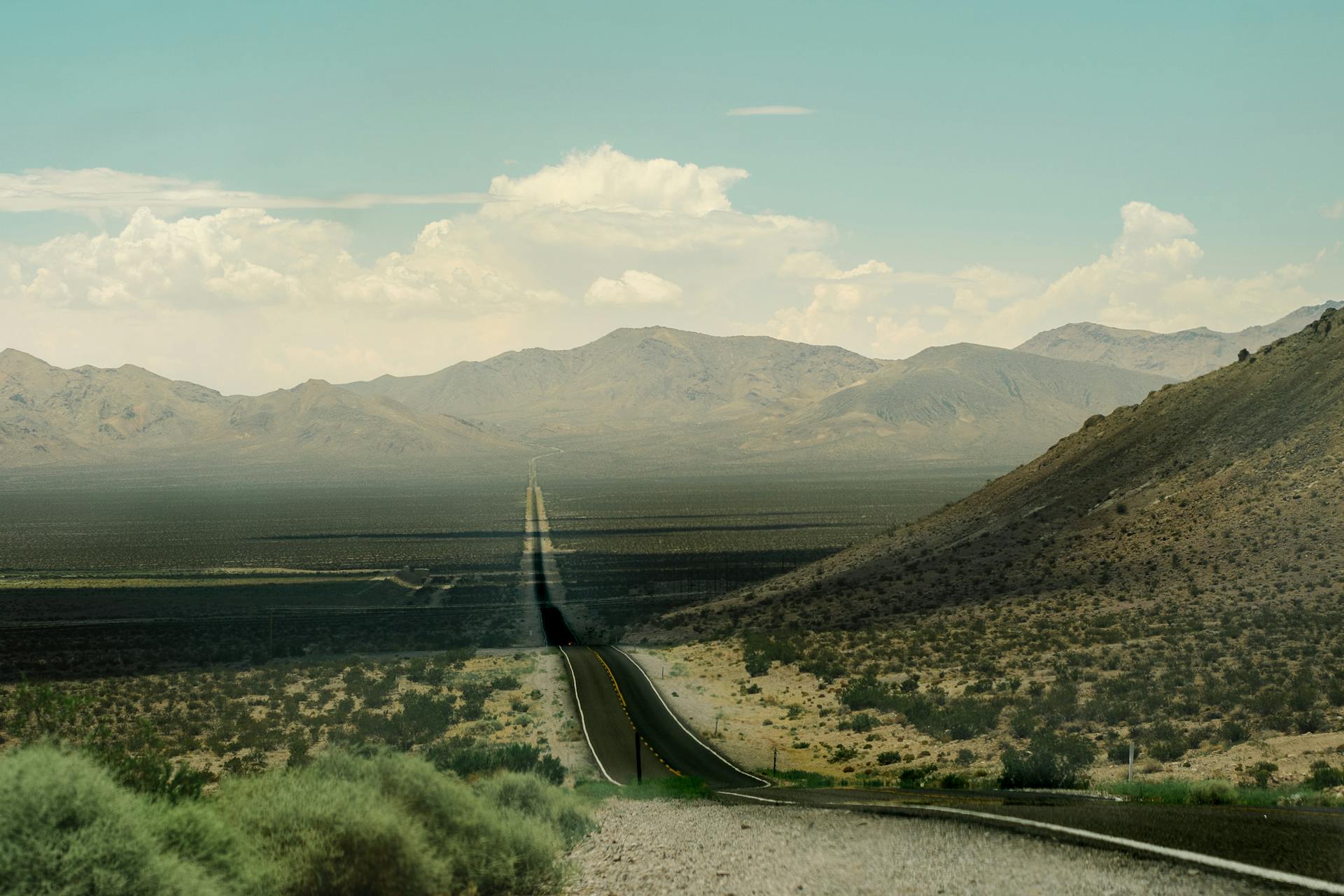
PSD files are larger because they store uncompressed layer data in Photoshop's native structure. The visual content is identical - PSD preserves every pixel losslessly while adding layer metadata, channel information, and editing compatibility that make the file fully editable in Adobe Photoshop, GIMP, Affinity Photo, and Photopea.
Convert JPG to PSD Online - Photoshop-Ready Output
Convert your JPG (JPEG) images into fully editable PSD (Photoshop Document) files - Adobe's native format for professional image editing. PSD supports layers, masks, blending modes, transparency, text layers, and non-destructive adjustments that flat JPG images cannot offer. Convert individual images or combine multiple JPGs into a single layered PSD for compositing. For web images, use JPG to WebP. For lossless raster, try JPG to PNG. For printing, see JPG to TIFF. Everything runs in your browser - free, instant, and private.
⚖️ JPG vs PSD - Quick Comparison
| Feature | JPG (JPEG) | PSD (Photoshop Document) |
|---|---|---|
| Compression | Lossy, reduces quality | ✓ Lossless, preserves full detail |
| Layers | ✗ Flat (single layer) | ✓ Full layer support |
| Masks & Effects | ✗ No | ✓ Layer masks, blending modes |
| Transparency | ✗ No | ✓ Full alpha channel |
| Editing | Limited, destructive | ✓ Professional, non-destructive |
| File Size | Small (KB–few MB) | Large (MB–GB) |
| Software | Any image viewer | Photoshop, GIMP, Affinity Photo |
| Best For | Photos, web, sharing | Design, retouching, compositing |
JPG is a delivery format - the final, compressed output for sharing, web display, and casual viewing. PSD is a working format - the master file where designers and photographers do their actual creative work with layers, masks, effects, and non-destructive adjustments. Converting JPG to PSD creates an editable Photoshop file from your image, though the original JPG compression artifacts will remain. For a different professional workflow, RAW format provides non-destructive editing in Lightroom, while TIFF is preferred for print-ready lossless output.
🎯 When to Use PSD
PSD is the industry standard for creative professionals. Here's when PSD is the right format:
Photo Retouching & Compositing
Professional retouchers work in PSD because layers allow non-destructive skin retouching, background replacement, object removal, and color grading. Each edit lives on its own layer and can be adjusted, hidden, or removed independently - impossible with flat JPG files.
Graphic Design & Branding
PSD is the standard deliverable format in graphic design. Ad creatives, social media templates, website mockups, and branding materials are built in PSD with organized layer groups, smart objects, text layers, and effects that clients can modify later in Photoshop.
Digital Art & Illustration
Digital artists use PSD for paintings, illustrations, and concept art because each brushstroke, color adjustment, and effect can live on separate layers. PSD supports blend modes, opacity controls, and clipping masks that are essential for professional digital art creation.
Client Handoff & Collaboration
Agencies deliver PSD files to clients who may need to edit text, swap images, or adjust colors themselves. The layered structure lets non-designers make simple changes without understanding the full design process - just double-click a text layer and type.
For web image delivery, convert to WebP or PNG. For camera RAW editing, use JPG to RAW.
📷 When to Use JPG Instead
PSD is a working format, not a delivery format. Keep JPG for these scenarios:
Websites & Social Media
No browser or social platform supports PSD. For web images, use JPG or WebP. PSD is for the design process behind the scenes - the final output for web delivery should always be exported as JPG, PNG, or WebP from Photoshop.
Email & Casual Sharing
PSD files are typically 5–50 MB - far too large for email or messaging. JPG compresses photos to shareable sizes. Only share PSD files when the recipient specifically needs to edit the layered source file in Photoshop or a compatible editor.
💎 Key Benefits of PSD Format
Full Layer Structure
PSD's layer system is the most powerful in any image format - supporting image layers, adjustment layers, text layers, shape layers, smart objects, layer groups, clipping masks, and blend modes. Every element of your design is independently editable.
Non-Destructive Editing
Unlike JPG where every save permanently alters pixels, PSD keeps all edits reversible. Adjustment layers (curves, levels, hue/saturation) sit above the image layer and can be tweaked, disabled, or deleted at any time without touching the original image data.
Transparency & Masks
PSD supports full alpha transparency and sophisticated layer masks. You can precisely control which parts of each layer are visible using pixel masks, vector masks, and clipping masks - essential for professional compositing, cutouts, and overlay graphics.
Industry Standard
PSD is the default format for the creative industry. Agencies, studios, publishers, and freelancers worldwide exchange PSD files as the standard working format. Photoshop remains the most widely used professional image editor with over 30 years of market dominance.
⚙️ Features of This Tool
- ✓ Convert single or multiple JPG files to PSD format
- ✓ Two modes: separate PSDs per image, or combined multi-layer PSD
- ✓ Lossless PSD output preserving full image quality
- ✓ Browser-based conversion - no server uploads, complete privacy
- ✓ Compatible with Photoshop, GIMP, Affinity Photo, Photopea
- ✓ Proper PSD layer structure with named layers
- ✓ Works on Chrome, Edge, Firefox, Safari - desktop and mobile
- ✓ Import via
Computer,URL,Google Drive, orDropbox - ✓ Batch conversion with ZIP download for multiple files
- ✓ 100% free - no watermarks, no sign-up, unlimited conversions
📋 How to Use (Step-by-Step)
- Upload your imagesClick "Select File" or drag JPG files into the drop zone. Import from
URL,Google Drive, orDropbox. Upload multiple images for layered PSD output. - Choose conversion modeSelect "Convert to separate PSD files" (one PSD per image) or "Combine into single PSD with multiple layers" for compositing. Each mode produces different output suited to different workflows.
- Convert to PSDClick "Convert" to generate your PSD file(s). Image data is structured into Photoshop's native layer format with proper channel data - all locally in your browser.
- Download and editDownload your PSD file(s) individually or as a ZIP. Open in Adobe Photoshop, GIMP, Affinity Photo, or Photopea (free, browser-based) for professional editing.
🔧 Technical Notes (What to Expect)
PSD files store uncompressed layer data, making them significantly larger than JPG. A 500 KB JPG photograph typically becomes 5–15 MB as a PSD depending on image dimensions. Multi-layer PSDs with multiple images can be much larger. Photoshop's maximum PSD file size is 2 GB; for larger files, the PSB (Large Document) format is needed.
Converting JPG to PSD preserves the image exactly as decoded from the JPG - but cannot recover quality lost during original JPG compression. Any compression artifacts visible in the JPG will remain visible in the PSD. The PSD format prevents further degradation by storing data losslessly, making it a better working format for future edits than continuing to re-save as JPG.
When combining multiple JPGs into one PSD, each image becomes a separate named layer. The PSD canvas size is set to the dimensions of the largest image. Smaller images are positioned at the top-left corner of their layer. You can freely move, resize, reorder, and blend layers in Photoshop or any compatible editor after opening the file.
PSD files open in Adobe Photoshop (full support), GIMP (good layer support with plugin), Affinity Photo (excellent compatibility), Photopea (free browser-based, very good support), Corel PaintShop Pro, and Corel PHOTO-PAINT. Not all features transfer perfectly between editors - complex Photoshop effects may render differently in third-party software.
💡 Use Cases / Examples
Photographers converting client-delivered JPG proofs to PSD for professional retouching in Photoshop - adding adjustment layers, frequency separation, dodge-and-burn layers, and color grading without altering the base image.
Graphic designers combining multiple JPG elements (background, product photo, text overlay) into a single layered PSD for ad creative compositing - each element on its own layer for independent positioning and blending.
Social media managers creating reusable Photoshop templates from JPG brand assets - converting logos, background images, and photo elements to layered PSDs that can be quickly customized for different campaigns and platforms.
Design students converting tutorial reference JPGs to PSD format for hands-on learning in Photoshop - practicing layer techniques, mask creation, and non-destructive editing workflows without needing original PSD source files.
🔗 Related Image Tools
This converter is part of our complete image tools suite. Frequently used alongside JPG to PSD:
Built for Everyone in India
Whether you're retouching photos, designing ads, or learning Photoshop - this tool creates editable PSD files from your JPGs.
FAQs - JPG To PSD Converter
Can I edit the PSD after conversion?
▼Yes, the converted PSD file is fully editable in Adobe Photoshop and compatible editors like GIMP, Affinity Photo, and Photopea. You can add new layers, apply adjustment layers, create masks, use blending modes, add text, and perform any Photoshop operation. The original JPG image data sits on a background layer that you can freely duplicate, transform, and modify with the full power of professional editing tools.
Does converting JPG to PSD restore lost image data?
▼No, converting JPG to PSD cannot recover details lost during original JPG compression. The PSD file contains the same visual data as the decoded JPG - but stored in Photoshop's lossless layer format. The benefit is that all future edits are non-destructive: you can add adjustment layers, masks, and effects without further degrading the image, unlike repeatedly saving over a JPG file which degrades quality each time.
Is Photoshop required to open PSD files?
▼No, you don't need Adobe Photoshop. Several free and paid alternatives open PSD files with good layer support: Photopea (free, runs in your browser - no installation needed), GIMP (free, open-source, with PSD plugin), Affinity Photo (paid, excellent PSD compatibility), and Corel PaintShop Pro. For basic viewing, even Windows Photos and macOS Preview can display flattened PSD previews.
Does this tool upload my images to a server?
▼No. All conversion happens entirely in your browser using client-side JavaScript. Your JPG images are decoded and restructured into PSD format locally on your device. No images are uploaded, transmitted, or stored on any server. This is important for designers working with client files under NDA or confidential brand assets. The tool works offline once loaded and involves zero data collection.
Can I convert multiple JPGs into one layered PSD?
▼Yes, the tool offers a "Combine into single PSD with multiple layers" mode. Each uploaded JPG becomes a separate named layer in the resulting PSD file. The canvas size is set to the largest image's dimensions, and all layers are positioned at the top-left corner. Open the PSD in Photoshop to freely move, resize, reorder, and blend the layers as needed for your compositing project.
Why are PSD files so much larger than JPG?
▼PSD files store uncompressed pixel data for each layer, plus channel information, layer metadata, masks, and a flattened composite preview. A 500 KB JPG with one layer might become 5–15 MB as PSD. Multi-layer PSDs grow proportionally - each additional layer adds roughly the uncompressed size of that image. This is the trade-off for maintaining full editing flexibility with independent, non-destructive layers.
Will the PSD have layers or just a flat image?
▼When converting a single JPG, the PSD contains a background layer with your image - ready for you to add additional layers on top. When combining multiple JPGs, each image becomes a separate named layer. In both cases, the PSD has proper layer structure that Photoshop recognizes - you can immediately start adding adjustment layers, masks, text, and effects on top of the converted image data.
Can I use PSD files on a website?
▼No, web browsers cannot display PSD files. PSD is a working/editing format, not a delivery format. For web images, export your finished PSD from Photoshop as JPG, PNG, or WebP. The design workflow is: edit in PSD → export as web format → upload to website. Our JPG to WebP and JPG to PNG converters can help optimize the final exported images for web delivery.
What is the difference between PSD and TIFF?
▼Both preserve lossless quality, but they serve different purposes. PSD is designed for editing - supporting Photoshop's full layer system, adjustment layers, smart objects, text layers, and effects. TIFF is designed for output - printing, archival, and cross-application delivery with CMYK support. PSD is your working file; TIFF is what you export for the print shop. Many designers work in PSD and deliver as TIFF for print.
Does PSD support transparency?
▼Yes, PSD supports full alpha channel transparency with sophisticated masking capabilities - layer masks, vector masks, clipping masks, and alpha channels. However, since JPG input files don't contain transparency data, the converted PSD will have an opaque background layer. To add transparency, open the PSD in Photoshop, unlock the background layer, and use selection tools or masks to remove unwanted areas.
Are there file size limits for this converter?
▼Input files up to 100 MB are supported. PSD output will be significantly larger - typically 10–30× the JPG size for single-layer files, and proportionally more for multi-layer PSDs. Browser memory is the practical constraint. For best performance, convert 5–10 high-resolution images at a time. Multi-layer PSDs with 10+ images of 12+ megapixels may require a device with 8+ GB RAM.
Other Tool Categories
Image Tools
Convert, compress, and resize images in multiple formats - JPG, PNG, WebP, ICO, and more.
Salary Calculators
Calculate in-hand salary, CTC breakup, tax deductions, and more for Indian employees.
Unit Converters
Convert length, weight, temperature, speed, volume, and 200+ measurement units instantly.
Text Tools
Count words, convert case, generate lorem ipsum, find & replace text, and more writing utilities.
Start Converting to PSD
Get Photoshop-ready PSD files from your JPGs - layered, editable, free and browser-based.
🎨 Convert to PSD