WebP To PSD Converter
Convert your WebP images (lossy and lossless) to PSD format.
Drag & Drop WebP files here
or
Import a WebP image directly from a public URL, Google Drive, or Dropbox.
Max file size: 100MB
ℹ️ PSD files contain uncompressed image data for Photoshop compatibility.
Your images are processed securely. No files are uploaded or stored on our servers.
Convert WebP to PSD online without installing any software. This tool transforms compressed WebP images into PSD (Photoshop Document) files, ready to open as an editable workspace in Adobe Photoshop and other PSD-compatible editors. PSD is the professional standard for design, photo editing, and post-production, where you build and refine artwork on a flexible canvas. If you only need a standard image format, our WebP to PNG converter or WebP to JPG converter may suit you better. This free converter handles it all instantly in your browser, keeping your files private.
It's worth understanding how this works: a WebP is a single, flattened raster image, so the resulting PSD opens as one editable layer rather than automatically splitting into separate layers. You can then add layers, masks, and adjustments in Photoshop yourself - the conversion gives you a clean starting canvas, not a pre-separated design. PSD output preserves image clarity and transparency, making it ideal for beginning a detailed edit. If your source is large, run it through our WebP compressor first. Simply upload your WebP, convert, and download your PSD in seconds.
Lightning Fast
Convert WebP images to PSD in seconds with our optimized engine that runs entirely in your browser - no uploads, no waiting.
Privacy First
No account needed. No data uploaded to servers. Your files stay on your device, processed locally in your browser.
Editable Workspace
Open your image as a PSD canvas in Photoshop, ready for you to add layers, masks, and adjustments.
Quality Preserved
PSD output keeps your image clarity and transparency intact, giving you a clean base for detailed editing.
How It Works
Convert your WebP images to PSD in 4 simple steps. No sign-up required, no software to install.
Upload Your Images
Click to select or drag and drop your WebP files. You can also import from URL, Google Drive, or Dropbox.
Choose Settings
Adjust resolution and scale settings as needed. Your image is prepared as a clean, editable PSD canvas.
Convert Instantly
Processing happens entirely in your browser. No uploads, no server-side processing. 100% local and private.
Download Results
Get your converted PSD files individually or download all at once as a ZIP file. Ready in seconds.
Same Image, Editable Format
Our converter packages your image into an editable PSD canvas while keeping it visually identical. Move your cursor across the image to compare - the visual output is the same. Only the format and editability change.
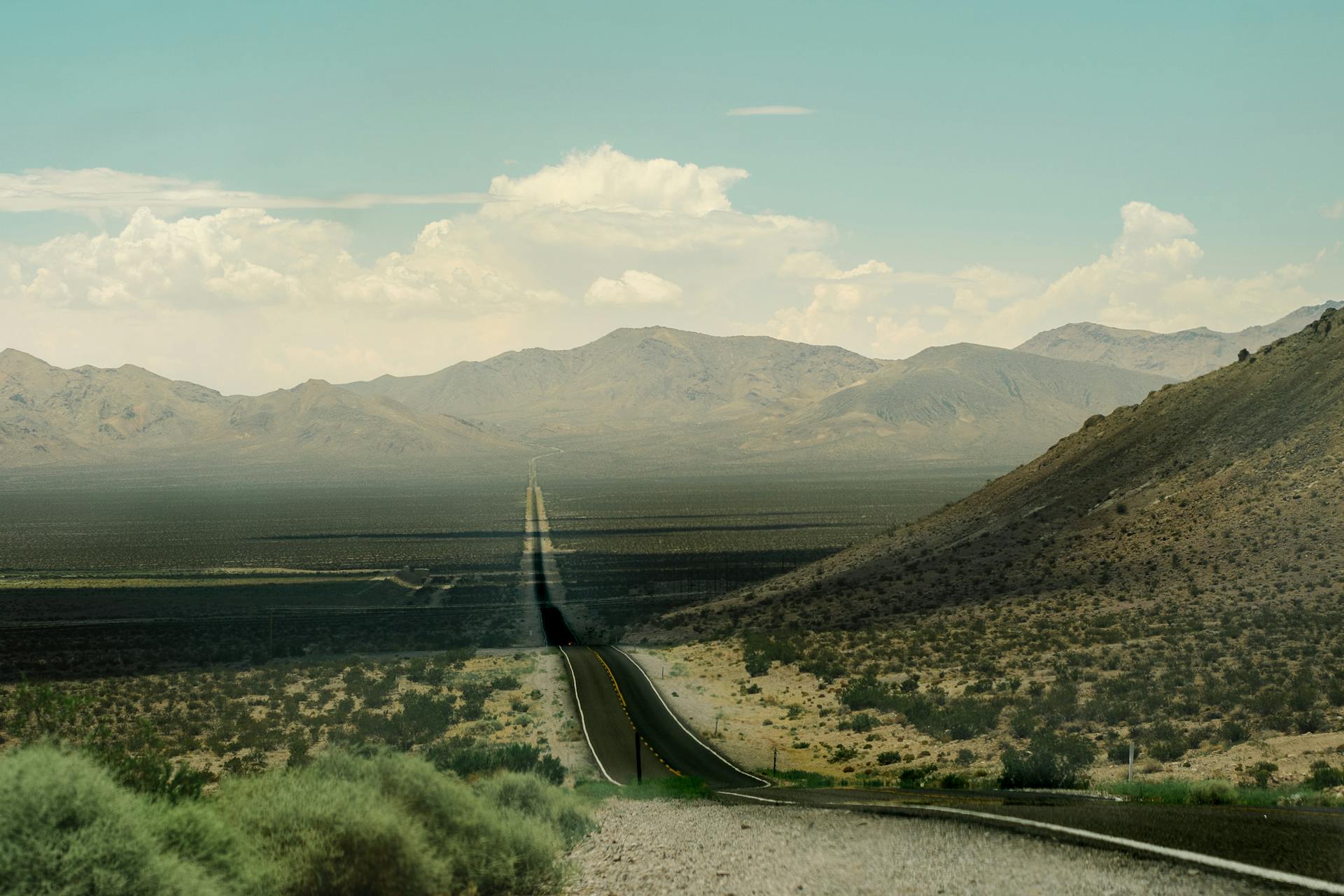
Converting WebP to PSD keeps your image visually identical while giving you an editable Photoshop canvas. Because a WebP is a flattened raster image, the PSD opens as a single editable layer - a clean starting point where you can add your own layers, masks, and adjustments. The file is larger because PSD stores uncompressed, edit-ready image data rather than the highly compressed WebP format.
Convert WebP to PSD Online - Free & Secure
Easily convert your WebP images to PSD (Photoshop Document) files - right in your browser. PSD is the professional editing format used in Adobe Photoshop for design, photo retouching, and post-production. Our tool prepares your WebP as an editable PSD canvas, ready to refine with layers, masks, and adjustments. Since a WebP is a flattened image, the PSD opens as a single editable layer rather than a pre-separated design. If you only need a standard image, use our WebP to PNG converter or WebP to JPG converter. This free WebP to PSD converter is perfect for designers and editors.
⚖️ WebP vs PSD - Quick Comparison
| Feature | WebP | PSD |
|---|---|---|
| Purpose | Web display | ✓ Editing |
| Layer Support | ✗ No | ✓ Yes (you add them) |
| Editability | Limited | ✓ Extensive |
| File Size | ✓ Smaller | Larger |
| Software Support | Web browsers | Photoshop & editors |
| Best Use | Web optimization | Design & post-production |
In practice, WebP is the better choice for the web, where small size and fast loading matter. PSD is the better choice when you need an editable working file for design or photo editing in Photoshop. One key point to understand: PSD supports multiple layers, but because a WebP is a single flattened image, the converted PSD starts as one editable layer. It won't auto-separate into the original design's layers - instead it gives you a clean canvas to build on, adding your own layers, masks, and adjustments. If you only need a standard editable raster, convert to PNG, or TIFF for lossless print-grade output.
🎯 When to Use PSD
PSD is the right choice whenever you intend to edit an image in Photoshop. Here are the most common scenarios where converting to PSD makes sense:
Photoshop Editing
If your next step is detailed work in Adobe Photoshop, starting from a PSD gives you a native canvas. You can immediately add layers, masks, and adjustment layers to build up your edit without format friction.
Design & Compositing
For graphic design and compositing projects, PSD is the working format of choice. Converting a WebP into a PSD base lets you drop the image into a larger design and build the rest of the artwork around it.
Photo Retouching
Retouchers rely on PSD for non-destructive editing with layers and masks. Bringing a WebP into a PSD canvas gives you a clean starting point for retouching, color work, and detailed corrections.
Post-Production Work
In professional post-production pipelines that revolve around Photoshop, PSD keeps assets in the expected format. Converting WebP to PSD lets web images fit smoothly into established editing workflows.
If you only need a standard editable raster instead of a Photoshop file, our WebP to PNG converter keeps transparency, and WebP to TIFF is ideal for lossless print output.
📷 When to Keep WebP Instead
PSD is large and specialized. Here's when not to convert and keep WebP - or choose a more practical format:
Web & Sharing
PSD files are huge and don't display in browsers or messaging apps. For anything online or shared, keep WebP or convert to JPG or PNG. PSD has no role in web delivery.
No Photoshop Access
PSD is primarily a Photoshop format with limited support elsewhere. If you don't use Photoshop or compatible software, a PSD won't help - keep WebP or convert to a widely supported image format instead.
No Real Layers to Recover
Since a WebP is flattened, converting to PSD won't restore separate design layers. If you don't plan to do layered editing yourself, there's little benefit over keeping the original WebP.
Storage Efficiency
PSD files are far larger than WebP. If disk space or quick transfer matters and you don't need a Photoshop canvas, keeping WebP or using a compressed format is much more efficient.
Want to create or shrink WebP files instead? Our PNG to WebP converter and WebP compressor can help. Explore everything in the image tools suite.
💎 Key benefits / Why convert WebP to PSD
Editable Photoshop Canvas
The PSD opens as a clean, editable canvas in Photoshop, ready for you to add layers, masks, and adjustments - the proper starting point for any serious edit.
Fits Design Workflows
PSD is the native format for Photoshop-based design and post-production. Converting WebP to PSD lets web images slot directly into your existing creative pipeline.
Quality & Transparency Kept
The conversion preserves your image's clarity and transparency, so you begin editing from a faithful, high-quality base rather than a degraded copy.
Private & Local
Conversion runs entirely in your browser, so your images never leave your device. Prepare PSD files for sensitive or client work privately, with no uploads and no data collection.
⚙️ Features of this tool
- ✓ Convert single or multiple WebP files at once - batch processing supported
-
✓
Output opens as an editable
PSDcanvas in Photoshop - ✓ Preserves image clarity and transparency in the PSD
- ✓ Safe, private conversion - files never touch any server
- ✓ Adjustable resize and resolution options for custom output
- ✓ Batch ZIP download: all converted PSDs bundled into a single archive
- ✓ Works on all modern browsers - Chrome, Edge, Firefox, Safari
- ✓ Mobile-friendly: responsive on phones, tablets, and desktops
-
✓
Import via
Computer,URL,Google Drive, orDropbox - ✓ Client-side only: all data stays in your browser. No server uploads, ever
📋 How to use (step-by-step)
-
Select your images
Click "Select File" or drag files directly into the drop zone. You can also import from
URL,Google Drive, orDropbox. - Customize conversion Use the Options panel to adjust resize and resolution if needed. Your image is prepared as a clean, editable PSD canvas.
- Convert your files Click "Convert Images" to start. Each image is processed locally with real-time progress updates. Conversion takes only seconds.
-
Download your files
Download each PSD individually, or click "Download All (ZIP)" to get everything in a single
.zipfile. - Open and edit Open the PSD in Photoshop and start editing - add layers, masks, and adjustments on top of your image to build your design or retouch.
🔧 Technical notes (what to expect)
A WebP is a flattened raster image, so the PSD opens as one editable layer rather than separate design layers. The conversion gives you a clean canvas to build on - you add your own layers, masks, and adjustments in Photoshop. It cannot recover layers that were never present in the source.
Because PSD output is large, converting big images or many files at once can use significant browser memory. If conversion stalls, try fewer or smaller images, or use a device with more RAM. Everything runs locally, so there's no server-side limit.
💡 Use cases / Examples
Designers bringing a WebP image into Photoshop as a PSD base, then building a full composition with layers, text, and effects around it.
Photo retouchers who want a clean PSD canvas to apply non-destructive edits, masks, and color adjustments to a web image.
Post-production teams standardizing on Photoshop who need web assets in PSD form. For lossless print output instead, see WebP to TIFF.
🔗 Related Image Tools
This converter is part of our complete image tools suite. Here are the most commonly used tools alongside WebP to PSD conversion:
Built for Everyone in India
Whether you're designing, retouching, or compositing in Photoshop - this tool is for you.
FAQs - WebP To PSD Converter
Will my converted PSD have separate editable layers?
▼Not automatically. A WebP is a single flattened image, so the converted PSD opens as one editable layer rather than separate design layers. The conversion gives you a clean Photoshop canvas to build on - you can then add your own layers, masks, and adjustments. It cannot recreate layers that never existed in the source image, since that information simply isn't present in a flattened WebP file.
Does converting WebP to PSD reduce image quality?
▼No. The conversion preserves your image's clarity and transparency, giving you a faithful, high-quality base to edit from. PSD stores edit-ready image data, so there's no visible degradation compared to the source. Keep in mind that any detail already lost in a lossy WebP cannot be recovered - the PSD simply represents the current image accurately so you can refine it without further quality loss.
What software can open the converted PSD files?
▼PSD is primarily an Adobe Photoshop format and opens best there. It is also supported by several compatible editors, including GIMP, Affinity Photo, and the browser-based Photopea, though support for advanced PSD features can vary between programs. If you don't use PSD-compatible software, converting your WebP to PNG or JPG instead will give you a widely supported image that opens on virtually any device.
Is this WebP to PSD converter safe to use?
▼Yes. All uploaded files are processed securely in your browser and never sent to any server. Conversion happens entirely on your device using client-side JavaScript, so your images remain completely private. Because nothing is uploaded, the tool even works offline once the page has loaded, and there is zero data collection involved. This is especially valuable when preparing PSD files for unreleased or client design work.
Can I convert multiple WebP images to PSD at once?
▼Yes. Batch conversion is supported, allowing multiple WebP files to be converted in a single operation. Select or drag in all your images at once and convert them together. You can then download each PSD individually or grab them all bundled in a single ZIP archive. Because PSD files are large, converting many high-resolution images at once may use significant browser memory on lower-powered devices.
Why is my PSD file so much larger than the WebP?
▼PSD stores uncompressed, edit-ready image data so it can serve as a flexible working file, while WebP uses efficient compression to stay small. As a result, a PSD can be many times larger than the same image as WebP. This is normal and expected - the larger size reflects the editable, high-quality nature of the format. If you need a smaller editable file, PNG or TIFF are more compact options.
Does the PSD keep transparency from my WebP image?
▼Yes. PSD fully supports transparency, so any transparent areas in your WebP image are preserved in the converted file. This means logos, cutouts, and overlays keep their see-through backgrounds, ready for compositing in Photoshop. Starting from a transparent PSD canvas makes it easy to place your image over other layers or backgrounds without an unwanted solid box around it.
Should I convert to PSD if I don't use Photoshop?
▼Probably not. PSD is most useful when you intend to edit in Photoshop or a PSD-compatible editor. If you don't do layered editing, the large PSD file offers little benefit over the original. In that case, converting your WebP to PNG gives you a lightweight, widely supported image with transparency, or JPG for a universal format - both far more practical for everyday, non-editing use.
Can I use this converter on mobile devices?
▼Yes. The converter is fully responsive and works on smartphones, tablets, and desktop computers. The interface adapts to your screen size, and conversion runs locally in your device's browser. Because PSD output is large, converting high-resolution images on mobile may be slower and use more memory than on a desktop. For large professional batches, a computer with more RAM is recommended for smooth performance.
Should I convert to PSD or TIFF for editing?
▼Choose PSD if your work is centered on Adobe Photoshop and you want a native editable canvas for layered design and retouching. Choose TIFF if you need broad professional compatibility with lossless quality for print and publishing, since TIFF opens in virtually all editing and print software. PSD suits Photoshop-driven creative work, while TIFF is the more universal choice for high-quality output and archival.
Does the converter add a watermark to my PSD?
▼No. The converter never adds watermarks, logos, or any branding to your files. The output PSD contains only your image on a clean editable canvas. There are also no usage limits, no sign-up requirements, and no hidden fees. You can convert as many WebP files to PSD as you like, as often as you like, and the results are entirely yours to edit and use in any design workflow.
Other Tool Categories
Image Tools
Convert, compress, and resize images in multiple formats - JPG, PNG, WebP, ICO, and more.
Salary Calculators
Calculate in-hand salary, CTC breakup, tax deductions, and more for Indian employees.
Unit Converters
Convert length, weight, temperature, speed, volume, and 200+ measurement units instantly.
Text Tools
Count words, convert case, generate lorem ipsum, find & replace text, and more writing utilities.
Start Converting Images
Convert your WebP images to editable PSD format - free, private, and browser-based. No sign-up required.
🚀 Convert WebP to PSD